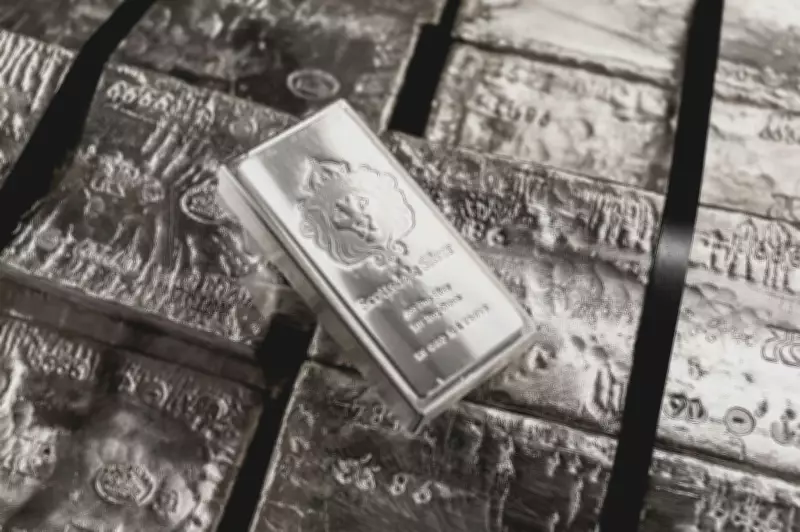
The silver market has been a focal point of economic attention recently, as prices have experienced notable volatility, shedding value and creating a landscape with few clear gainers. This development has sparked analysis among investors and industry experts, who are closely monitoring the implications for various sectors and stakeholders.
Market Dynamics and Price Movements
Silver, often seen as a precious metal with both industrial and investment appeal, has faced downward pressure in its pricing. This shedding of value is attributed to a combination of factors, including shifts in global economic conditions, changes in demand from key industries, and broader market sentiment. The volatility has led to a scenario where only a select few have managed to capitalise on the movements, while many others have faced losses or challenges.
Identifying the Winners
In this turbulent market, the winners are typically those with strategic positions or hedging mechanisms in place. For instance, some investors who shorted silver or diversified into other assets may have gained from the price decline. Additionally, industries that rely on silver as a raw material, such as electronics or solar panel manufacturing, could benefit from lower input costs, potentially boosting their profit margins if demand remains stable.

However, it is important to note that these gains are often limited and context-dependent. The few gainers in this scenario are navigating a complex environment, where timing and market insight play crucial roles in achieving positive outcomes.
Examining the Losers
On the other hand, the losers in the silver market include miners and producers who face reduced revenue due to lower prices. This can impact their operational viability and lead to job losses or reduced investment in exploration and development. Investors with long positions in silver or related financial instruments may also experience losses, particularly if they entered the market at higher price points.
Furthermore, economies or regions heavily reliant on silver exports could see negative effects on their trade balances and economic growth. The shedding of silver prices underscores the risks associated with commodity-dependent investments and highlights the need for robust risk management strategies.
Broader Economic Implications
The volatility in the silver market is not an isolated event but reflects broader economic trends, such as inflation concerns, currency fluctuations, and geopolitical tensions. As silver prices shed, it may influence other precious metals and commodities, creating ripple effects across financial markets. Analysts suggest that this could lead to increased caution among investors, potentially affecting liquidity and investment flows in related sectors.
Looking ahead, the silver market is expected to remain dynamic, with factors like technological advancements in silver usage and shifts in consumer demand playing key roles. Stakeholders are advised to stay informed and adapt their strategies to navigate this evolving landscape effectively.