The Economist: America's Next Fed Chair Is Caught in a Vice
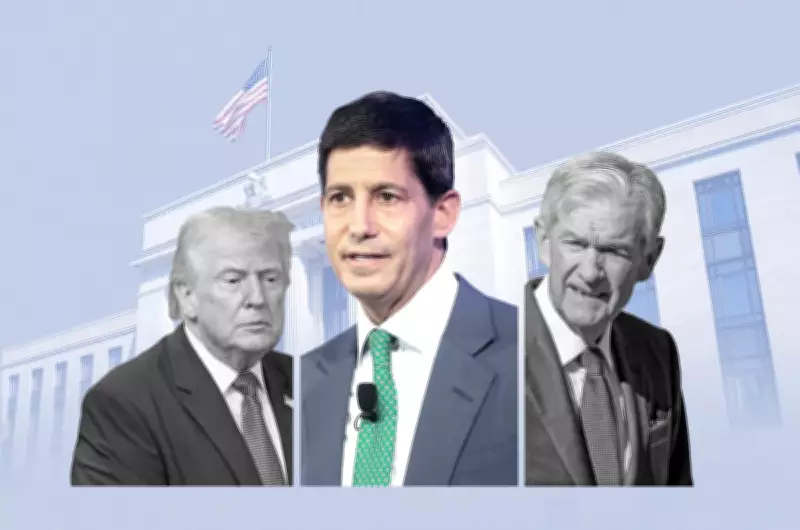
The selection of the next chair of the Federal Reserve has become a focal point of intense economic and political debate in the United States. According to a recent analysis by The Economist, the candidate for this critical role is effectively caught in a vice, squeezed between competing pressures that define the current economic landscape. This appointment comes at a pivotal moment, with the US economy navigating persistent inflation, slowing growth, and global uncertainties that demand careful monetary policy decisions.
Balancing Inflation and Growth Pressures
The primary challenge facing the next Fed chair lies in the delicate balance between controlling inflation and supporting economic growth. On one side, there is mounting pressure to continue aggressive interest rate hikes to tame inflation, which has remained stubbornly high despite previous measures. This approach risks pushing the economy into a recession, as higher borrowing costs can dampen consumer spending and business investment. Conversely, easing monetary policy too soon could allow inflation to become entrenched, eroding purchasing power and destabilizing financial markets.
This vice-like situation is exacerbated by external factors, including geopolitical tensions, supply chain disruptions, and fluctuating energy prices. The next chair must navigate these complexities while maintaining credibility and independence, as the Federal Reserve's decisions have far-reaching implications for both domestic and global economies. The stakes are exceptionally high, with the potential to influence employment rates, wage growth, and overall economic stability for years to come.

Political and Market Expectations
Beyond economic fundamentals, the next Fed chair faces significant political scrutiny and market expectations. The appointment process involves intense lobbying from various stakeholders, including lawmakers, business leaders, and advocacy groups, each with divergent priorities. Some emphasize the need for a hawkish stance to combat inflation, while others advocate for a more dovish approach to protect jobs and foster recovery.
Market reactions add another layer of pressure, as investors closely monitor signals from the Federal Reserve for guidance on interest rates and monetary policy. Any perceived misstep could trigger volatility in stock and bond markets, affecting everything from retirement savings to corporate financing. The Economist highlights that the next chair must communicate clearly and consistently to manage these expectations, avoiding surprises that could undermine confidence.
Historical Context and Future Implications
Historically, Fed chairs have played a crucial role in steering the US economy through crises, from the Great Depression to the 2008 financial meltdown. The current vice reflects broader trends in monetary policy, where central banks worldwide grapple with post-pandemic recovery challenges. The next chair's decisions will not only shape short-term economic outcomes but also set precedents for how the Federal Reserve addresses future crises.
Looking ahead, the appointment is expected to influence key areas such as:
- Interest Rate Trajectory: Determining the pace and extent of rate adjustments to balance inflation and growth.
- Financial Regulation: Overseeing banking stability and risk management in a changing economic environment.
- Global Coordination: Collaborating with other central banks to address cross-border economic issues.
In conclusion, the next Federal Reserve chair is indeed caught in a vice, with the weight of economic stability resting on their shoulders. As The Economist underscores, this role demands a leader capable of navigating unprecedented pressures with skill and foresight, making it one of the most consequential appointments in recent economic history.