Raymond Pecotic: Historical Insights on Market Recovery After Middle East Crisis
In the wake of the ongoing Middle East conflict, investors are grappling with uncertainty and market volatility. Raymond Pecotic, a prominent financial analyst, has turned to history to shed light on what battered markets might do once the crisis subsides. His analysis draws from past geopolitical events to provide a roadmap for potential recovery.
Lessons from Past Geopolitical Turmoil
Pecotic emphasizes that history often repeats itself in financial markets. He points to previous crises, such as the Gulf War and regional conflicts, where initial market downturns were followed by significant rebounds. Historical data shows that markets tend to recover within months after geopolitical tensions ease, driven by renewed investor confidence and economic stabilization.
For instance, during the 1990-1991 Gulf War, global markets experienced sharp declines but bounced back strongly once the conflict ended. Pecotic notes that similar patterns emerged after other Middle East upheavals, suggesting that current market woes may be temporary.

Factors Influencing Post-Crisis Recovery
Several key factors will shape how quickly markets recover after the Middle East crisis concludes. Pecotic highlights:
- Economic fundamentals: Underlying strength in global economies, such as growth rates and corporate earnings, will play a crucial role.
- Government policies: Interventions like stimulus packages or monetary easing can accelerate recovery.
- Investor sentiment: As fear subsides, risk appetite typically returns, boosting stock prices.
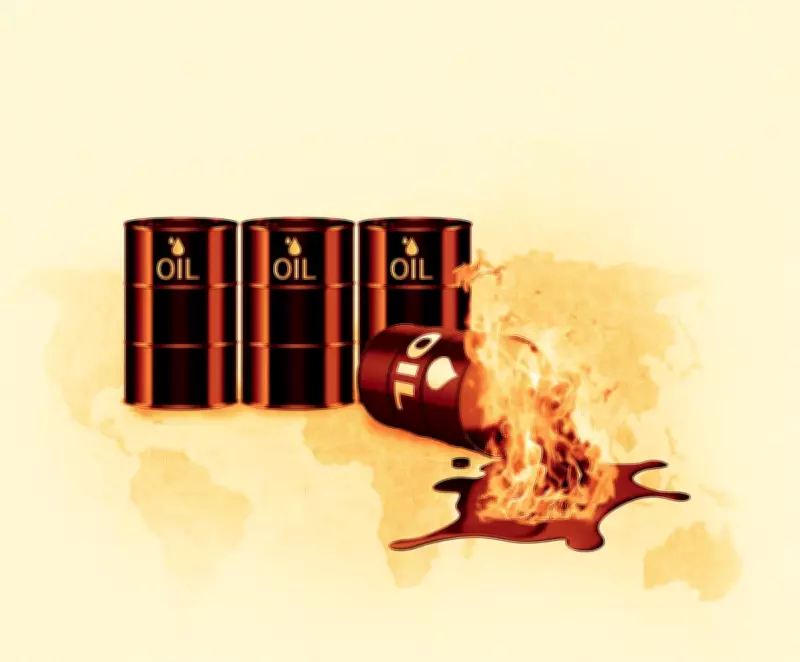
He warns that recovery timelines can vary based on the severity of the crisis and external factors like oil prices, which are often impacted by Middle East events.
Strategies for Investors in Volatile Times
Pecotic advises investors to stay calm and avoid panic selling. Diversification and a long-term perspective are essential, as markets have historically rewarded patience after geopolitical shocks. He recommends focusing on sectors likely to benefit from post-crisis stability, such as technology and consumer goods.
Additionally, he suggests monitoring leading indicators, like bond yields and commodity prices, to gauge recovery signals. By learning from history, investors can position themselves to capitalize on the eventual market upturn.
Looking Ahead: What to Expect
While the Middle East crisis continues to create uncertainty, Pecotic remains optimistic based on historical trends. He predicts that once a resolution is reached, markets could see a robust recovery, potentially outperforming pre-crisis levels within a year. However, he cautions that unforeseen events could alter this outlook.
In conclusion, Raymond Pecotic's historical analysis offers a hopeful perspective for investors battered by recent market turmoil. By understanding past patterns, they can navigate current challenges with greater confidence and strategic foresight.