Ten years after the UK voted to leave the European Union, small businesses are still grappling with what many describe as a 'total utter nightmare'. New data reveals that 78% of small firms report increased operational costs directly linked to Brexit, while 62% say they have lost EU customers due to new trade barriers.
Persistent Trade Barriers
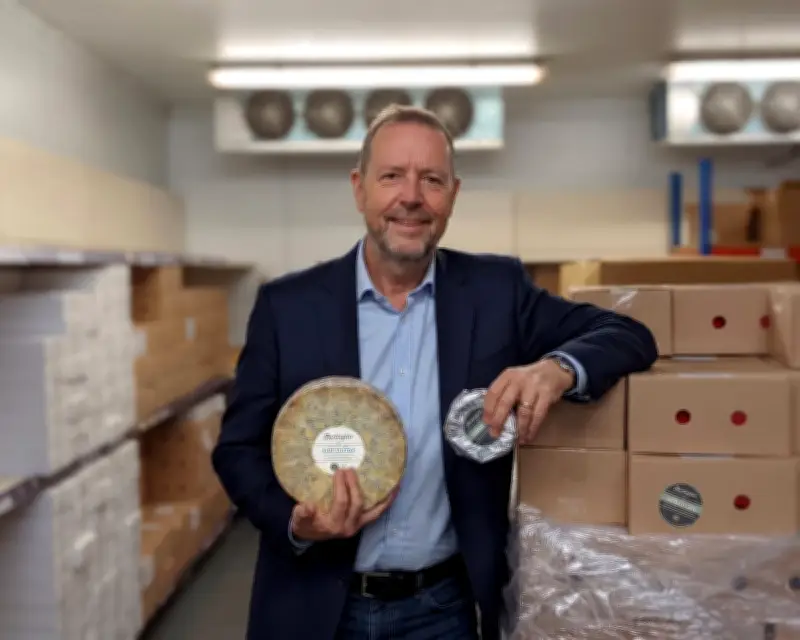
Customs declarations and health certificates have become a daily burden for exporters. According to the Federation of Small Businesses (FSB), the average small exporter now spends £8,400 annually on paperwork alone. 'It's a total utter nightmare,' said Sarah Jenkins, owner of a Cornish cheese company. 'We used to send 40% of our produce to France. Now it's down to 15%.'
Staff Shortages Worsen
Ending free movement has hit sectors like hospitality and agriculture hard. The Office for National Statistics reports that EU-born workers in UK hospitality fell by 35% between 2019 and 2025. 'We cannot find chefs or waitstaff,' said Mike Patel, who runs three restaurants in Manchester. 'We've had to reduce our opening hours.'

Impact on Growth
The British Chambers of Commerce estimates that Brexit has reduced UK GDP by 4% over the decade, with small businesses bearing the brunt. Investment in new equipment and hiring has stalled, as firms face uncertainty over future trade rules. 'Many small businesses are just surviving, not thriving,' said FSB chairman Martin McTague.
Calls for Change
Business groups are urging the government to negotiate a veterinary agreement with the EU to ease food trade and to create a youth mobility scheme to address labour shortages. However, Downing Street has ruled out rejoining the single market or customs union. 'We are focused on making Brexit work,' a government spokesperson said, pointing to new trade deals with Australia and New Zealand.
Mixed Feelings Among Owners
Some small business owners remain optimistic. 'Brexit gave us the freedom to trade globally,' said James Wong, an electronics exporter. 'But the transition has been painful.' For many, the pain persists. 'We voted Leave to take back control,' said Jenkins. 'But we never expected to lose control of our own business.'