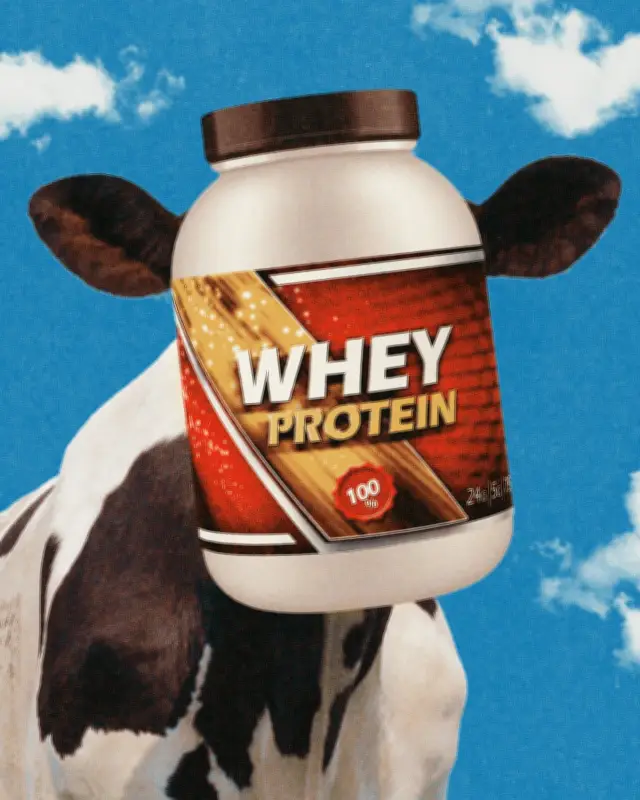
The price of whey protein concentrates has increased as much as fivefold in recent years, driven by a surge in demand from the proteinmaxxing trend and the popularity of GLP-1 weight loss drugs. This has led to shortages and forced the dairy industry to adapt, with some manufacturers switching from cheese to cottage cheese production.
From Waste to Star Product
Tony Meives, a 39-year-old bodybuilder and gym owner from Wisconsin, runs a company selling whey protein powder. His family has a long history in cheesemaking, but he found more profit in the byproduct his grandfather would have discarded. "Twenty years ago, the only people who took whey were bodybuilders," Meives said. "Over the past five years, the market has really opened up to each and every type of person you can probably think of."
Protein Boom Drives Demand
According to a 2025 survey of 3,000 US adults, 71% said they were trying to eat more protein, up from 59% in 2022. This cultural shift towards proteinmaxxing has driven demand for whey, once considered little more than effluent by dairy farmers. "It's a byproduct no longer," said Joshua White, vice-president of dairy ingredients at TC Jacoby & Co. "Whey is a co-product now."

Shortages and Price Hikes
Dean Sommers, a cheese and food technologist at the University of Wisconsin's Center for Dairy Research, said, "We've reached the point where there are shortages. There are a lot of unfilled orders, and demand for orders. There simply isn't enough product around to fill those orders." In the last two years alone, the price of whey concentrates has increased as much as 83%. Leading manufacturers are building new facilities to boost production.
Impact on Dairy Industry
The whey boom is partly attributable to GLP-1 drugs like Ozempic, Wegovy, and Zepbound. It's estimated that 25-40% of weight lost during GLP-1 therapies is lean muscle. "I was definitely concerned about losing muscle alongside the other weight," said Alex Sullivan, a 41-year-old who recently started taking Tirzepatide and upped his protein intake. "Doctors talk about how you lose muscle mass as you get older, and you should try to keep as much muscle mass as you can."
However, research by cardiologist Ian Neeland suggests that protein intake and muscle synthesis plateau after 1.6 grams per kg of body weight. "The muscle building didn't really improve after 1.6," Neeland said. "You really just need to eat enough protein to preserve muscle mass. It's more about preservation."
Industry Shifts
The rising demand for whey is causing disequilibrium in the dairy market. Dairy boards have looked to export markets in Latin America, China, and the Pacific Islands to offload excess cheese. Some cheddar cheese manufacturers are switching to cottage cheese production. "There's cheddar cheese manufacturers that are switching over to cottage cheese," Sommers said.
Meives worries that rising whey prices could threaten his business. "I hope less people take whey protein!" he laughed. "That way the price does come down, and the cost to make it drops."