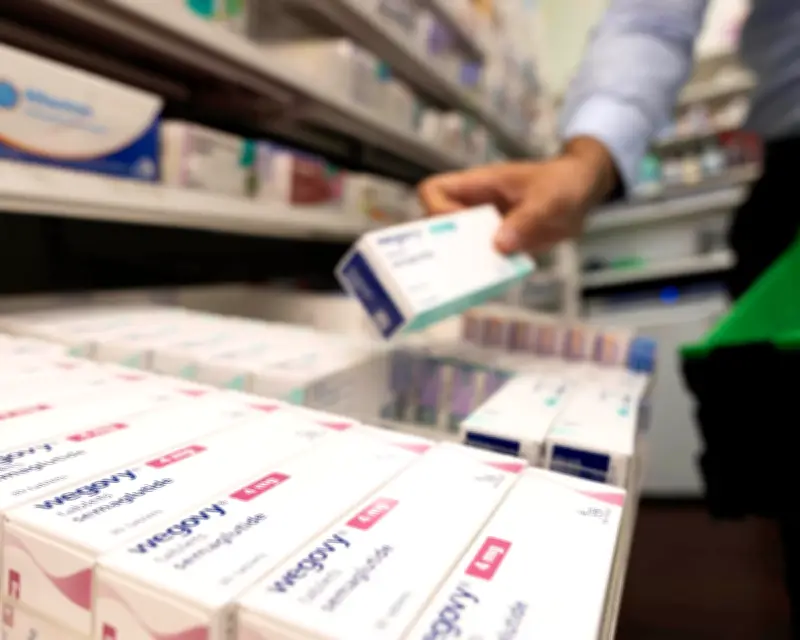
New data from the UK reveals that users of weight loss drugs such as Mounjaro and Wegovy are substantially cutting their spending on food, takeaways, and alcohol, according to a report by the Guardian. The findings highlight a significant shift in consumer behavior driven by the growing popularity of these medications.
Sharp Decline in Grocery and Takeaway Spending
The analysis, based on transaction data from millions of UK consumers, shows that individuals prescribed these drugs reduced their grocery spending by an average of 12% within the first three months. Spending on takeaways and fast food dropped even more sharply, by 25%, while alcohol purchases fell by 15%. The data was compiled by the analytics firm Fable Data, which tracked spending patterns of over 10,000 users of the drugs.
Impact on Retailers and Food Industry
The changes are already affecting retailers and food companies. Supermarkets and fast-food chains are bracing for potential revenue declines as more people use these medications. “The effect is significant because these drugs are not just for the wealthy; they are being prescribed to a broad demographic,” said a spokesperson for Fable Data. “We see consistent reductions across income groups.”

Broader Economic Implications
Economists note that if the trend continues, it could have wide-ranging effects on the UK economy. Lower spending on food and alcohol might reduce inflation in these sectors, but it could also hurt companies that rely on high-margin items like processed foods and alcoholic beverages. “This is a classic example of a health innovation disrupting consumer markets,” commented Dr. Emily Carter, an economist at the London School of Economics. “Policymakers and businesses need to adapt to these changing habits.”
Rising Prescription Rates
Prescriptions for weight loss drugs have surged in the UK, with the National Health Service reporting a 40% increase in the past year. Mounjaro and Wegovy, both GLP-1 receptor agonists, have become widely available, and their use is expected to grow further. The drugs work by suppressing appetite and slowing digestion, leading to reduced calorie intake.
Consumer Health and Spending Trade-offs
While the health benefits are clear, the spending reductions also reflect a shift in lifestyle. Users report feeling less inclined to eat out or buy alcohol, which has positive implications for public health but challenges for the hospitality sector. “I used to spend £50 a week on takeaways and drinks,” said Sarah, a 34-year-old user from Manchester. “Now I cook at home and rarely drink. My grocery bill is lower too because I eat less.”
Future Outlook
As more people turn to these medications, analysts predict lasting changes in consumer behavior. Retailers may need to adjust their product offerings, and food manufacturers could face pressure to reformulate products. The trend also raises questions about long-term sustainability, as users typically remain on the drugs indefinitely to maintain weight loss.