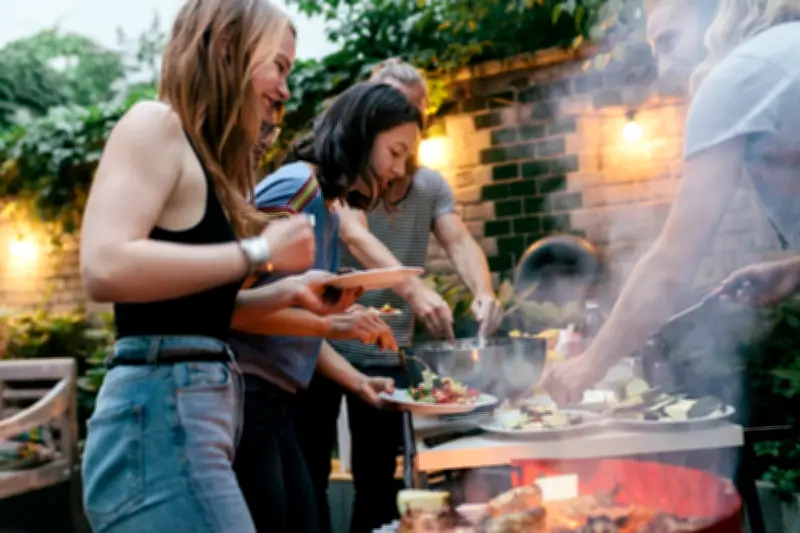
The British barbecue has long been associated with burnt sausages and undercooked chicken, but a new wave of luxury equipment is transforming outdoor cooking. Sales of high-end barbecues, costing more than £1,000, have soared as hotter summers and a shift toward experiential dining drive demand.
Premium Barbecue Market Booms
The Big Green Egg, a kamado-style grill inspired by Japanese charcoal stoves, has recorded 1 million visits to its UK website this year. Its classic model retails at £1,495. Other premium options include Bertha's freestanding outdoor coal ovens in bold colours for £4,500, Kamado Joe's Series III charcoal barbecue at £2,000, and the OFYR wood-fired unit at £1,295, which doubles as a fire pit.
John Lewis reports a 100% increase in sales of its premium barbecue range over the past 12 months. Weber, known for its classic UFO-style grills, has also seen rising demand for higher-end models.

Why the Shift?
According to Alexandra Hayes, co-founder of food consultancy Harris and Hayes, the trend emerged during Covid lockdowns when restaurant dining was restricted. "Consumers still wanted to create new and special food and drink experiences, to set them apart from the routine and everyday," she says.
Melanie Brown, chef-restaurateur of The Laundry in Brixton, notes a "massive shift" in barbecue culture. "It's no longer burning the shit out of something; it's turned from charring to gastronomy," she explains. Brown, who hosts off-grid cooking nights using Big Green Eggs and OFYRs, says fire cooking has become more prevalent among chefs at all levels, turning barbecue into a hobby as well as a means of nourishment.
Status Symbol and Year-Round Appeal
Beyond cooking, these high-end barbecues offer "definitely the statement value," says Hayes. "Handbags are a classic status symbol, but as more people value experiences over things, it's understandable that these tools are in hot demand."
Barbecues are no longer reserved for summer. Brown notes that customers are buying premium grills for year-round use, aided by longer and hotter summers. The Met Office reports that last summer was the hottest on record, and all five of the UK's warmest summers have occurred since 2000 due to climate change.
Brown, originally from New Zealand, says people there "barbecue at the drop of a hat," rain or shine. "If you're using a premium barbecue three or four times a week, making bread, slow braising, and smoking, it is a year-round investment."