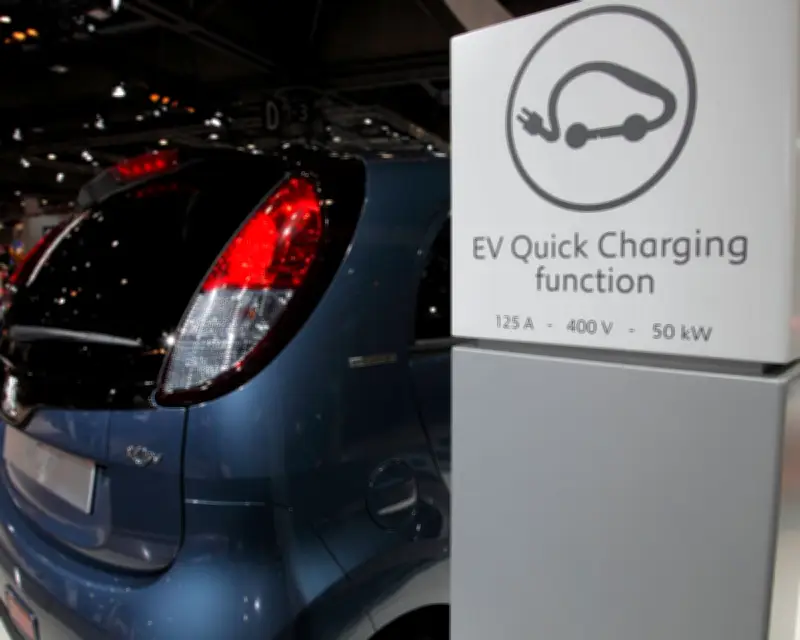
A Peugeot electric vehicle owner is paying $450 per month for a car that remains undriveable due to persistent software glitches, raising concerns about the reliability of EV technology and consumer protections.
Lease Payments Continue Despite Faulty Car
John Smith, a Sydney resident, leased a Peugeot e-208 in early 2025. Within weeks, the vehicle's infotainment system began malfunctioning, causing the car to lose power unexpectedly. Despite multiple attempts to repair the issue, including software updates and hardware replacements, the problem persists. Smith continues to make monthly lease payments of $450 while the car sits idle in his driveway.
“I’m paying for a car I can’t use,” Smith said. “The dealership says it’s a known software issue, but they can’t fix it. Meanwhile, I’m stuck with the payments.”

Software Glitches Plague EV Models
The Peugeot e-208 is one of several EV models that have faced software-related recalls. In 2024, Peugeot issued a recall for over 10,000 e-208 vehicles globally due to a battery management software fault that could cause sudden power loss. However, Smith’s vehicle was not included in that recall, and his local dealership has been unable to resolve the issue.
According to consumer advocacy group Choice, EV owners are increasingly reporting problems with software that can render vehicles inoperable. “We’re seeing a rise in complaints about EVs where software bugs are the root cause,” said a Choice spokesperson. “Consumers need better protection when a car’s software fails.”
Financial and Legal Implications
Smith’s lease agreement does not include a clause that allows him to stop payments if the car is undriveable. He has contacted Peugeot Australia and the Australian Competition and Consumer Commission (ACCC) but has not received a resolution. The ACCC advises consumers to seek legal advice and consider lodging a complaint with state fair trading agencies.
“This situation is untenable,” said a consumer law expert. “If a product is not fit for purpose, the consumer should have recourse. But current laws are not always clear on software failures.”
Impact on EV Adoption
Stories like Smith’s could undermine consumer confidence in electric vehicles, which are critical to Australia’s emissions reduction targets. The federal government has set a goal of 1.7 million EVs on the road by 2030, but reliability concerns may slow adoption.
“If people hear about cars that can’t be driven due to software issues, they’ll hesitate to buy EVs,” said an automotive analyst. “Manufacturers need to ensure their software is robust before selling vehicles.”
What Can Consumers Do?
Experts recommend that EV buyers thoroughly research a model’s reliability record and ensure lease agreements include provisions for unresolved defects. The ACCC also suggests documenting all communication with dealers and manufacturers.
Smith is now considering legal action to terminate his lease. “I just want a car that works, or my money back,” he said. “This has been a nightmare.”