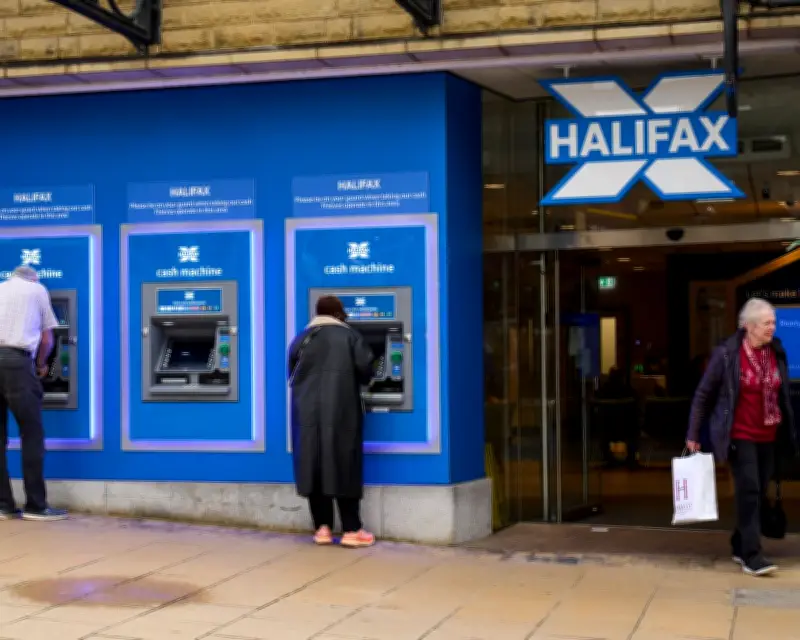
Lloyds Banking Group has announced it will retire the Halifax brand from the UK high street, closing all 49 remaining Halifax branches by 2027 and impacting around 850 jobs. The move ends 173 years of the brand's presence on British streets.
Brand Consolidation
The decision is part of a wider consolidation strategy by Lloyds, which also owns Lloyds Bank and Bank of Scotland. Halifax customers will be migrated to Lloyds Bank accounts, and the branches will either close or be rebranded as Lloyds. The group said the change reflects the shift to digital banking, with only 5% of Halifax customers now using branches regularly.
Job Impact and Customer Transition
Lloyds stated that it will seek to redeploy affected staff where possible, but compulsory redundancies are expected. The bank will contact Halifax customers over the coming months to explain the transition, which will include new debit cards and account details. The Halifax brand will continue to exist online and for savings products, but its physical presence will vanish.

According to a Lloyds spokesperson, “The decision was difficult but necessary to streamline our operations and invest in digital services. We are committed to supporting our colleagues through this change.”
Historical Significance
Halifax was founded in 1853 as the Halifax Permanent Building Society, growing into one of the UK's largest mortgage lenders. It became a bank in the 1990s and was acquired by Lloyds in 2009 during the financial crisis. The brand has been in gradual decline since, with branch numbers falling from over 700 in 2010 to just 49 now.
Industry analysts say the move is unsurprising given Lloyds’ focus on cost-cutting and digitalisation. The bank has closed hundreds of branches across its brands in the past decade, citing changing customer habits. The closure of Halifax branches will leave some towns without any Lloyds Banking Group presence, raising concerns about access to banking services for vulnerable customers.
Regulatory and Consumer Response
Consumer groups have criticised the decision, arguing that it will disproportionately affect elderly and rural customers who rely on face-to-face banking. The Financial Conduct Authority has said it expects banks to ensure customers have reasonable access to cash and banking services. Lloyds said it will work with the Post Office and other partners to provide alternative banking facilities in affected areas.
The Unite union called the announcement “a devastating blow to staff and communities” and urged Lloyds to reconsider. The union representative said, “This is about profits, not progress. Lloyds must guarantee no compulsory redundancies and protect services for the most vulnerable.”
Lloyds expects the transition to be complete by the end of 2027, with the Halifax brand retained only for online savings accounts and mortgages. The group said it will invest £100 million in digital improvements over the next three years.