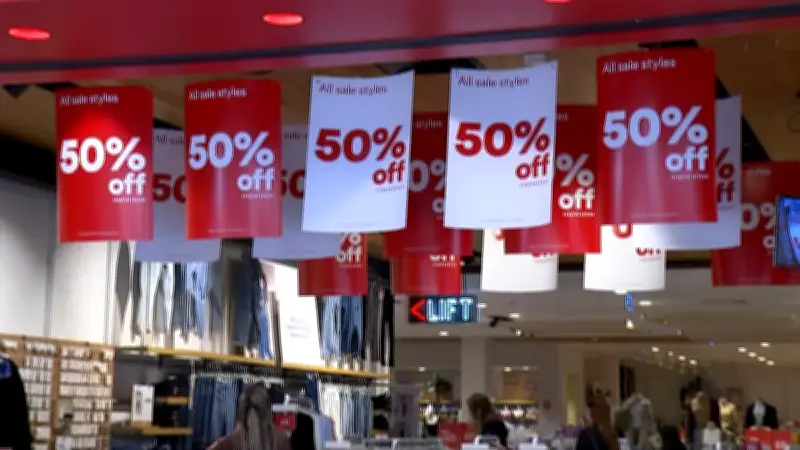
Shoppers are being urged to stay alert as end of financial year (EOFY) sales flood the market, with consumer experts uncovering hidden traps behind seemingly irresistible deals.
Discount signs are everywhere, with businesses promising massive savings on everything from clothing to technology.
Know the Traps
Consumer group Choice says there are genuine deals to be found, but not every offer is as good as it appears. “The end of financial year sales can be a great time to grab that sleek new appliance for your home, but with many retailers competing for your cash, it’s important to know the tricks and traps to avoid getting ripped off or accidentally purchasing a dud product,” Choice spokesperson Mark Serrels said.

One of the biggest pitfalls is buying something just because it is on sale. Messages like “exclusive offers”, “sale ends soon” or “only one left” are designed to create pressure and promote panic buying, preying on consumers’ fear of missing out. “Remember, the EOFY is just one sales period,” Serrels said. “Last year, we saw sales extended into July, so it’s better to take time to do research to ensure you’re grabbing a good bargain.”
Discounted Duds
For businesses, end of financial year sales are a strategic way to clear old and poor-performing stock. “We’ve seen numerous products that performed poorly in our tests having big discounts during the sales,” Serrels said. Experts advise shoppers to check reviews and compare products, not just prices, before making a purchase.
Warranty and Online Scams
Shoppers should also watch out for dodgy warranties that will sting at the checkout. Many provide little benefit beyond protections shoppers are already entitled to under consumer law. Online shoppers need to be extra cautious during this period. Scammers often create fake retail websites during major sales events that are designed to steal money and personal information. “Fake websites have become far too common and when you’re making a purchase that might seem like the real deal, we advise you to double-check before adding it to your cart,” Serrels said. “Look out for things like unusual URLs, poor spelling, or massive discounts, which signal red flags.”