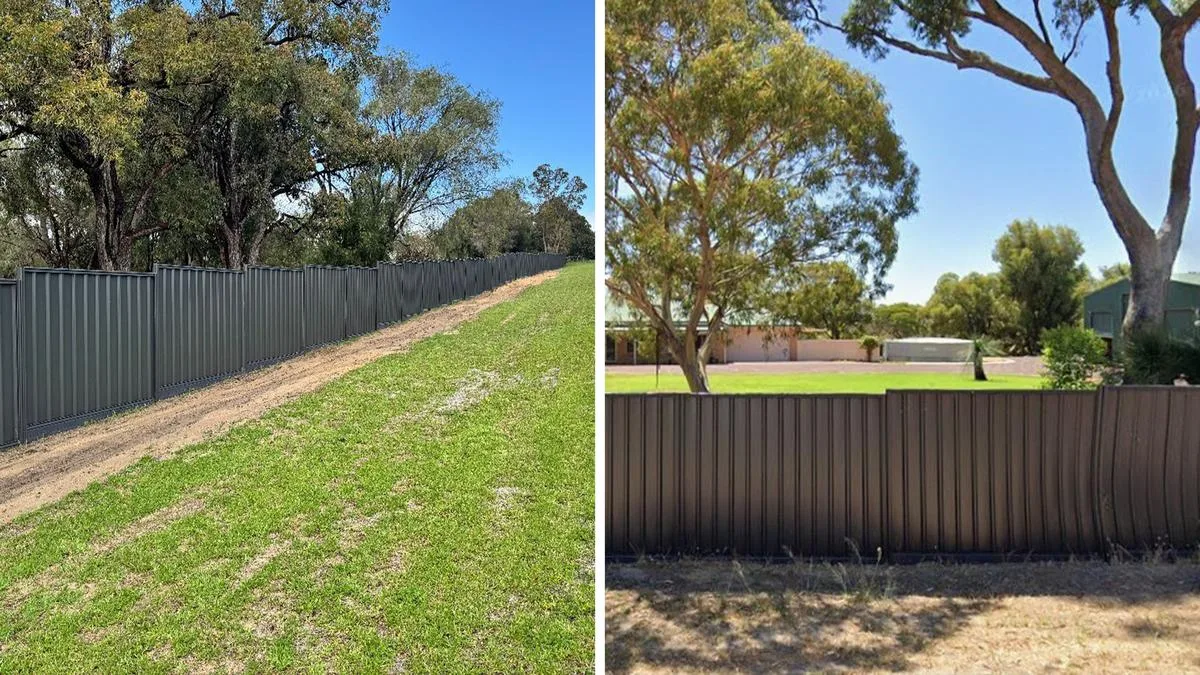
Cockburn Council Rejects Retrospective Approval for 200m Metal Fence
The City of Cockburn has firmly rejected a retrospective approval application for a substantial 200-meter metal fence in Beeliar, setting the stage for a potential legal confrontation. The decision, rooted in concerns over rural character preservation, underscores a growing tension between property rights and zoning regulations in the area.
Fence Fails to Meet Rural Standards
Constructed in 2023 along the front, rear, and side boundaries of a property on Lorimer Road, the Colorbond steel fence was built without the necessary approvals. Owner Sean Naidoo proceeded with the installation, which reportedly cost over $100,000, only to face a complaint from a neighbor regarding its size and style. The council determined that the front section of the fence, spanning 200 meters, required formal approval under local fencing laws.
At a meeting last year, councilors voted five to four to refuse retrospective approval. They argued that the solid metal fence failed to uphold the site's rural character and did not allow for the free passage of native wildlife, which is a key expectation in rural zones. This decision has left Mr. Naidoo in a difficult position, as he now faces the prospect of spending an estimated $50,000 to remove the fence.
Legal Battle Looms as Owner Seeks Tribunal Review
In response to the council's refusal, Mr. Naidoo sought a review with the State Administrative Tribunal in October. Represented by Urban Regional Planning Solutions director Justin Hansen, he presented four alternative fencing options to the council. However, city officers recommended rejecting these proposals, citing their failure to meet rural standards of informality and openness.
Mr. Hansen challenged the council's stance at the April 14 meeting, arguing that the recommendation was based on an idealised version of rural character that no longer exists. He pointed out inconsistencies in the enforcement of fencing policies, identifying over 90 properties in the area with solid and visually dominant fencing, including about 20 with front fences. "The city has already accepted that Colorbond fencing is appropriate for side and rear boundaries on this site, so the material itself is not the issue," he stated.
Council Debate Highlights Divisions Over Rural Preservation
The council meeting revealed deep divisions among members. Councillor Carol Reeve-Fowkes proposed approving the fence, describing it as a "fair and reasonable outcome" and warning against the costs of legal action. "This is not a good use of public money to spend on SAT or court cases over a fence," she argued, suggesting that the fence could be modified with planting to blend better with the surroundings.
Councillor Tarun Dewan echoed this sentiment, questioning the wisdom of "wasting the ratepayer's money" on a dispute between neighbors. However, Deputy Mayor Phoebe Corke maintained that the front fence was "not appropriate" under local laws, calling it "incredibly long" and "confronting." Councillor Chontelle Stone added that approving the fence would set a poor precedent, undermining efforts to preserve rural amenity. "If we are not going to keep our rural amenity, why don't we just rezone it urban and be done with it?" she questioned.
Owner Cites Safety and Privacy Concerns
Mr. Naidoo explained that he built the fence to protect his family from wildlife and ensure reasonable privacy. He claimed that during construction, a planning officer advised him to make specific changes, such as reducing the fence's height, leading him to believe it would be acceptable. "At no point during that process was I informed that the fence was in the city's view non-compliant," he said, expressing frustration over the lack of clarity.
With the council's refusal, Mr. Naidoo plans to proceed to the State Administrative Tribunal for further consideration. "I have engaged with the city extensively and in good faith throughout this process," he stated, "yet I have been unable to achieve a resolution that appropriately recognises the practical realities on the ground and the importance of my family's safety."
Financial and Legal Implications for Council
Refusing the retrospective approval is likely to trigger a full hearing at the State Administrative Tribunal, which could cost the council approximately $30,000 in legal fees, to be covered by its legal budget. This financial consideration adds another layer to the debate, as councilors weigh the costs of enforcement against the principles of rural preservation.
The outcome of this case could have broader implications for fencing policies in rural zones across Cockburn and similar areas, highlighting the challenges of balancing individual property rights with community standards and environmental concerns.