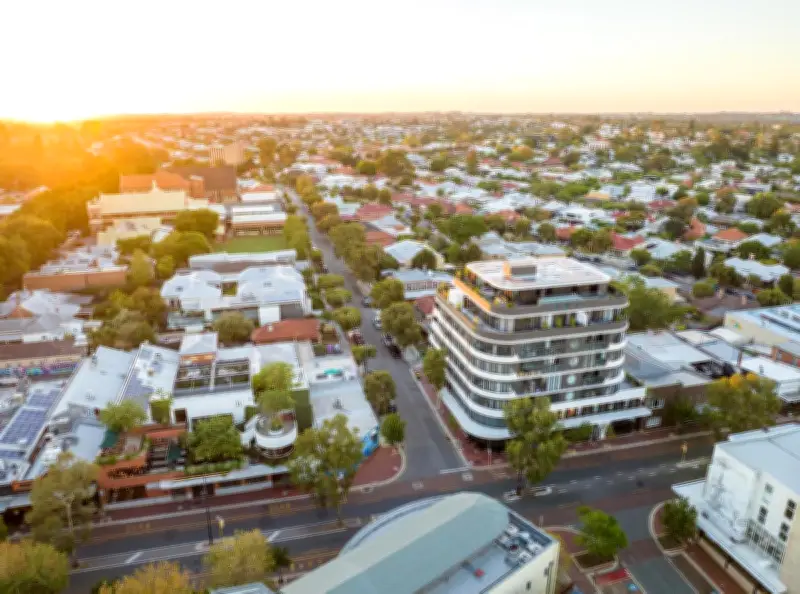
The City of Vincent has approved a 40.9 per cent rate increase for owners of vacant residential land, aiming to ensure the broader community does not bear the costs associated with such properties. The measure is part of the city's 2026-27 budget, unanimously adopted on Tuesday night, which also includes a general rate increase of 5.4 per cent and a new differential rate for short-term rental accommodation.
Community Reactions
The vacant land increase drew significant feedback, with Mt Hawthorn resident Lesley Florey presenting a petition of 80 signatures opposing the proposal. She described the increase as “extraordinary, excessive, unreasonable, fundamentally unfair to affected ratepayers.” Florey argued that the council was using rates to pressure owners into developing or selling their land, calling it a “punitive financial measure” rather than a standard fee adjustment.
“Rates are intended to cover reasonable costs of local government services and administration, not to operate as a coercive mechanism to force landowners into private financial decisions regarding development,” Florey said. She urged the council to reject the proposed rates, hold genuine consultations, and provide transparent financial justification.

However, another resident, Robert Bo, argued that the increase was too small to achieve its goals. “The goals that the city is setting won’t be achieved by the amount of different that they’re proposing,” he said, suggesting that a 500 per cent increase might be needed to disrupt the status quo. He viewed vacant land ownership as a form of “wealth storage” for future generations and feared the proposal would merely lock in current conditions.
Council Justification
Cr Nicole Woolf defended the differential rates, noting they are one of the few tools local governments have to encourage development. “At a local level, we don’t have many tools available to us ... but differential rates are one of those tools,” she said. Woolf highlighted that vacant properties impose real costs through graffiti, vandalism, waste dumping, and antisocial behaviour.
“It’s only fair that the owners of long-term vacant properties contribute more towards those costs rather than having ratepayers pick up the tab,” she added. Woolf described the budget as “responsible and balanced,” developed during a difficult economic period with rising construction costs and supply chain pressures.
Mayor Alison Xamon acknowledged the budget was challenging but hoped it aligned with community expectations. “We are responding to a number of concerns that are continually raised with us from frustrated residents about wanting to ensure that our communities are being protected and that the community is also being developed appropriately,” she said.
Deputy Mayor Alex Castle noted that residents consistently raise concerns about vacant land and short-stay accommodation. “It’s both a sensible and responsible way to move forward,” she said. “Our community tells us that they are sick of seeing vacant properties sitting vacant for years on end.”
The new budget takes effect on July 1.