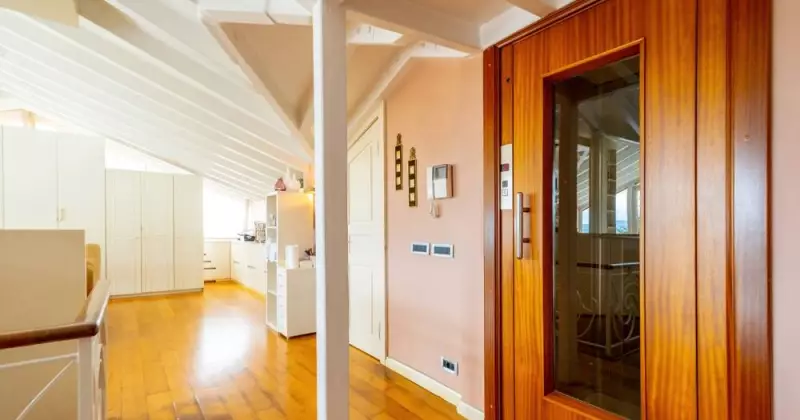
As dawn breaks over the suburb of Griffith, the familiar rhythm of a multilevel home begins. Groceries sit in the car boot, the morning air is crisp, and the day's chores will involve countless trips up and down stairs. This scene is repeated across Canberra's established inner neighbourhoods, where homes are increasingly built upwards on compact blocks. A growing solution to this vertical challenge is the installation of a compact, residential elevator.
The Push for Vertical Convenience in the ACT
In areas such as Griffith, Red Hill, O'Connor, and Deakin, two and three-storey dwellings are becoming more common. Sloping sites and smaller land parcels drive this efficient use of space. However, Canberra's distinct seasons—with its biting winters and scorching summers—can make ferrying laundry, shopping, or children's gear between floors a significant physical task. A discreet lift installed alongside the staircase can alleviate this daily burden and improve accessibility for all household members.
The trend towards multi-generational living, with extended family or adult children at home, further underscores the need for easy access to all levels. In the ACT's competitive property market, a well-integrated home lift is increasingly seen not as a luxury, but as a mark of a complete and future-proofed home. Buyers perceive step-free movement as a feature that adds confidence in long-term livability and resale value.

Designing a Lift for Canberra's Climate and Homes
Modern electric residential lifts are quiet and typically run on standard household power with a dedicated circuit. A critical feature for Canberra is battery backup, which ensures the cabin can be lowered to a safe exit point during the power outages that can accompany winter storms and summer heatwaves. Given the local climate, proper thermal and acoustic insulation of the lift shaft is essential to integrate seamlessly with the home's heating and cooling systems.
These lifts are remarkably compact, often requiring a shaft no larger than a wardrobe, with minimal structural overrun. They can be flexibly positioned in hallways or cupboards to support the natural flow of the home. Key considerations include:
- Early Planning: Integrating the lift at the architectural design stage is crucial for optimal placement and minimal disruption.
- Climate Resilience: Tight door seals and proper shaft lining help keep out dust and smoke, a consideration during bushfire season.
- Service Access: Ensuring easy access to maintenance panels avoids complications and cost overruns later.
Compliance with Australian Standard AS 1735 is a non-negotiable requirement that homeowners must confirm with their installer.
Enhancing Daily Life and Long-Term Value
The practical benefits of a home lift extend beyond simple convenience. Positioning stops to align with daily routines—such as from the garage to the kitchen, or the laundry to the drying area—streamlines household tasks. On sloped blocks, a lift can eliminate awkward split-levels, creating clear, continuous pathways between floors.
Furthermore, a lift reduces physical strain on occupants and minimises wear and tear on staircases and interior finishes from repeated heavy carrying. For households planning for ageing in place or accommodating varying mobility levels, it provides a proactive solution that enhances independence.
The journey to installing a home lift starts with identifying a potential shaft location that aligns with natural movement patterns within the house. Early consultation with architects and specialist installers is vital to clarify feasibility, costs, and construction sequencing. For many Canberra residents in the inner suburbs, this investment is transforming multilevel living from a daily workout into a model of effortless, accessible convenience.