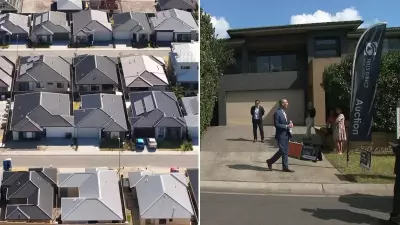
WA Government Collects $2 Billion Stamp Duty Windfall
Treasurer Rita Saffioti has firmly defended Western Australia's stamp duty system following revelations that the state government has collected a staggering $2 billion in property transfer taxes. This substantial revenue boost, described as a "bonanza" in government finances, comes amid ongoing debates about housing affordability and tax reform across Australia.
Saffioti Stands Firm on Stamp Duty Policy
In a recent statement, Treasurer Saffioti emphasized the importance of stamp duty as a critical source of funding for essential public services and infrastructure projects in WA. She argued that the tax plays a vital role in supporting the state's economy, particularly in funding healthcare, education, and transport initiatives. Saffioti's stance contrasts with calls from some economists and housing advocates who propose replacing stamp duty with alternative models, such as a broad-based land tax, to reduce upfront costs for homebuyers.
The $2 billion collection highlights the significant financial impact of WA's booming property market, with increased transaction volumes and rising house prices contributing to the windfall. This revenue surge has provided a buffer for the state budget, enabling increased spending in key areas without immediate pressure to raise other taxes or cut services.

Debate Over Housing Affordability Intensifies
Critics of stamp duty argue that the tax exacerbates housing affordability issues by adding substantial upfront costs for purchasers, potentially deterring first-home buyers and reducing mobility in the housing market. They point to states like New South Wales, which have explored reforms to phase out stamp duty in favor of annual property taxes. However, Saffioti countered these concerns by noting that WA's stamp duty system includes concessions and exemptions for eligible first-home buyers, aimed at mitigating financial barriers.
"While we acknowledge the challenges in the housing market, stamp duty remains a cornerstone of our revenue structure," Saffioti stated. "Any changes must be carefully considered to ensure they do not undermine essential services or create unintended consequences for the economy."
Implications for WA's Economic Future
The $2 billion stamp duty collection underscores the resilience of WA's property sector, which has benefited from strong economic conditions, including mining booms and population growth. This revenue stream is expected to continue supporting state finances in the near term, but experts warn that reliance on property taxes could pose risks if market conditions shift. Analysts suggest that diversifying revenue sources might be prudent to safeguard against future downturns.
In summary, Treasurer Rita Saffioti's defense of stamp duty comes as WA enjoys a significant financial boost from property taxes, fueling discussions on tax policy and housing affordability. The debate is likely to persist as stakeholders weigh the benefits of stable revenue against the need for more equitable housing solutions.