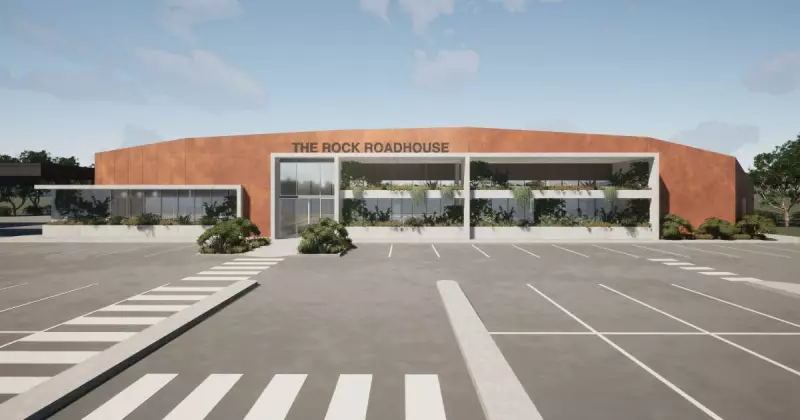
Major development is poised to return to a strategic stretch of the Pacific Highway north of Newcastle, with plans for twin 'Rock' service stations gathering significant pace. The project promises to resurrect a famous roadside landmark and deliver a substantial economic boost to the local community.
Approval Imminent for Southbound Revival
Final construction approval for the initial southbound complex is anticipated within the coming weeks. The development will see the legendary Rock service station and a substantial 200-seat roadhouse restaurant rise again near the Tea Gardens turn-off. A separate rezoning proposal is also progressing, which will pave the way for an identical duplicate facility on the northbound side of the highway.
Once completed, the twin Rocks service centre will mark the first major new development on this section of the Pacific Highway between the Mid-North Coast and the Central Coast since a 24-hour service centre opened in Taree back in 2008.

A Site Steeped in Australian Lore
The location holds a unique place in Australian travel history. The iconic southbound site first opened in 1990 as Leyland Brothers World, a tourist attraction featuring a replica of Uluru, rides, a student camp, and a museum. Brothers Mike and Mal Leyland reportedly faced bankruptcy after investing over $1 million into the venture, leading to its sale at auction in 1992. The site, which later operated as a service station, was tragically destroyed by a massive fire in August 2018.
Luke Roberts, a spokesman for Coastal Service Centres, expressed enthusiasm about the community's positive reaction. "It's a very strategic location on the highway and most people are delighted that the site where the Leyland Brothers were will be up and running again," Mr Roberts said.
Economic Boost and Future-Proof Design
The project is expected to deliver a significant injection of employment opportunities for the Myall Coast region. Rick Wraight, a committee member of the Myall Coast Chamber of Commerce and Tourism, highlighted the local excitement. "Personally I'm very excited about the economic opportunities it will bring to our community," Mr Wraight said. "I don't think it would be an exaggeration to say about 100 people could eventually be employed there."
The new roadhouse is designed to house four tenancies, which according to Mr Roberts have attracted considerable interest but remain unleased for now. The design has also won praise from transport industry representatives for its forward-thinking approach.
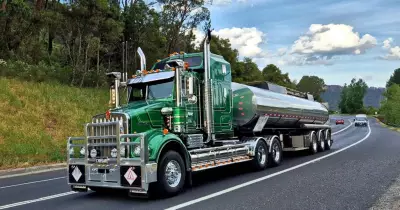
Wade Lewis, President of the NSW Livestock Bulk and Rural Carriers Association, endorsed the proposal, noting its alignment with the state government's rest area strategy. "The amount of freight on our roads is expected to double by 2030; we urgently need more service rest areas where heavy vehicles can stop," Mr Lewis stated. "What I like about it is they have really thought about the future needs and designed it for higher productivity vehicles."
He added that the new centre would complement other developments, such as the twin service centres currently under construction on the M1 motorway at Cooranbong. That $50 million project, being built by fuel and convenience chain OTR, will include 24-hour petrol stations and major fast-food outlets.
The revival of The Rock, responding to both community sentiment and growing transport demands, signifies a new chapter for a historic pitstop, blending nostalgia with modern infrastructure needs on one of Australia's busiest coastal routes.