The substantial revenue generated by Perth's contentious CBD parking levy is under intense scrutiny, with growing demands for the Western Australian government to provide a clear and detailed account of how the millions of dollars collected are being spent.
A Lucrative but Opaque Revenue Stream
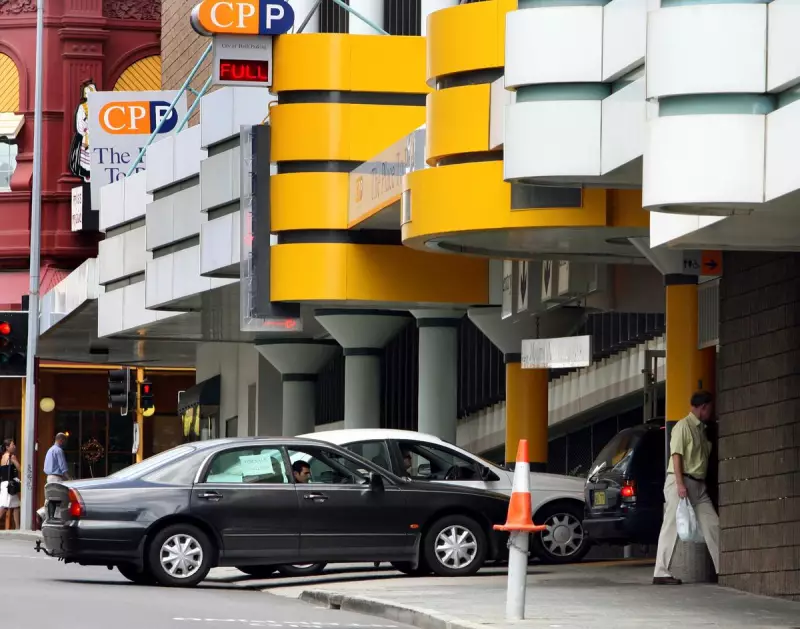
Each year, the parking levy imposed on non-residential parking bays within Perth's central business district and key inner suburbs funnels a significant sum into state coffers. The levy currently stands at $1,124 per bay annually, a figure that has steadily increased over time. This policy results in the collection of more than $60 million every year from businesses, building owners, and ultimately, commuters and shoppers.
Despite the considerable financial inflow, there is a persistent and significant lack of transparency regarding the specific allocation of these funds. The public and contributing businesses are left with vague assurances that the money supports public transport initiatives, without access to a detailed, itemised breakdown of expenditures.

Mounting Pressure for Accountability
The call for clarity is not new but has gained renewed urgency. Stakeholders, including the Property Council of Australia, have repeatedly highlighted the issue, arguing that those who pay the levy deserve to know exactly how their money is being used to improve the city's transport network.
Critics point out that without transparent reporting, it is impossible to assess whether the levy is fulfilling its intended purpose effectively or simply acting as a convenient revenue-raising tool for the government. The core demand is for the establishment of a clear, publicly accessible link between the funds raised and tangible transport projects or services that benefit the Perth metropolitan area.
The Essential Need for Public Trust
Transparency in how public funds are collected and spent is a fundamental pillar of good governance. For a levy as prominent and financially impactful as Perth's parking tax, this principle is paramount. Providing detailed annual reports on the levy's revenue and its direct application to public transport would not only satisfy legitimate public curiosity but also build trust in the policy itself.
Such a move would demonstrate that the government views the levy as a dedicated investment in Perth's transport future, rather than an opaque fiscal measure. As the debate continues, the resolution is straightforward: the state government must commit to full transparency and regular reporting on the destination of every dollar collected from the parking levy. The people of Perth, and those who fund the system, have a right to nothing less.