Specialist homelessness services across Newcastle and Lake Macquarie are providing crucial support to an average of almost nine people every single day, according to alarming new government figures. The data, released by the Australian Institute of Health and Welfare, paints a stark picture of a region grappling with a deepening housing and social crisis.
Alarming Statistics for Newcastle and the Hunter
The report reveals that 3271 individuals in Newcastle and Lake Macquarie sought assistance from specialist homelessness services during the 2024-25 financial year. This translates to a rate of 80.3 people for every 10,000 residents. A deeply concerning aspect of the data is the demographic breakdown: women constituted a staggering 71 per cent of all clients, the fourth-highest percentage for any statistical area in New South Wales.
Furthermore, the crisis is profoundly affecting the youngest members of the community. More than a quarter of those seeking help across Newcastle and Lake Macquarie were children. The data, which records a client's location in the week before they sought assistance, shows that 61 per cent of these 3271 people were already homeless when they reached out for support, while 39 per cent were at imminent risk of losing their housing.

A Wider Regional Crisis Beyond the City
The situation appears even more severe in the Hunter Valley outside of Newcastle's immediate urban centres. In these areas, 2559 people accessed specialist homelessness services in the same period, equating to a higher rate of 82.4 per 10,000 people. Of this group, over half (53.6 per cent) were sleeping rough, with 46.4 per cent at risk. The gender and age disparities persist here too, with more than 64 per cent being women and just under 28 per cent being children.
Kate Colvin, CEO of Homelessness Australia, stated that these figures are a clear indicator of a system under extreme pressure, with people accessing help far too late. Nationally, the number of people accessing these services who were already sleeping rough increased by 6 per cent.
Calls for Urgent Investment in Prevention
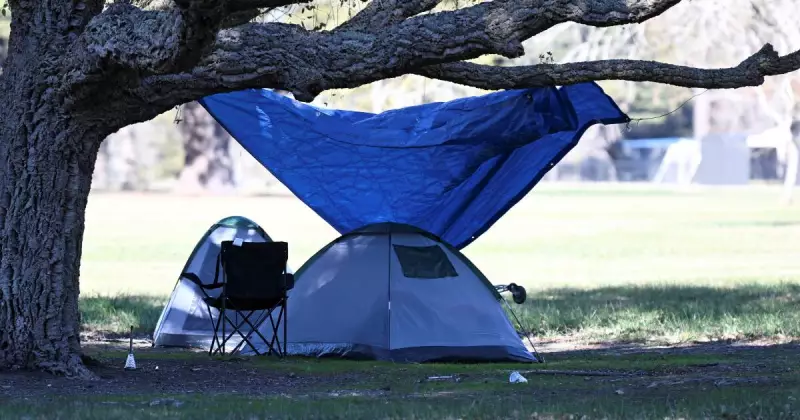
"Too many people aren't getting help until they've already lost their home and are sleeping in cars, tents or on the street," Ms Colvin said. She highlighted that a massive 56,063 people across Australia – one in five of those coming to homelessness services – had slept rough in the month prior to seeking help.
"This is the clearest warning yet that demand is simply too high, and we need to scale up homelessness services, particularly early-intervention for people at risk of homelessness," she argued. Ms Colvin emphasised that timely support could prevent homelessness entirely, thereby preserving scarce emergency accommodation for true crises.
Homelessness Australia is now urgently calling for the establishment of a dedicated homelessness prevention fund. This fund would enable organisations to provide tailored financial assistance and support pathways before individuals and families lose their homes. Ms Colvin pointed to the fact that more than one in ten people seeking help were employed, demonstrating how cost-of-living and rental pressures are pushing working Australians into homelessness.
The data also showed worrying increases in young people presenting for help (5 per cent) and in demand related to domestic and family violence (6.4 per cent). "Whether it's young people, victim-survivors, or single-income families in crisis, the data shows just how urgent the need is for a prevention fund to keep people housed and safe," Ms Colvin concluded, warning that without intervention, the number of people turning up already homeless will continue to rise annually.