Beyond Security Cameras: Mirvac's Vision for Truly Safe Communities
When discussing neighborhood safety, most people immediately think of surveillance cameras, bright streetlights, and sturdy door locks. However, the concept of a genuinely safe community extends far deeper than these physical security measures. True safety emerges from belonging, connection, and the creation of spaces where people genuinely want to spend their time and build their lives.
The Human Element of Community Safety
To understand what defines a safe and flourishing community, we spoke with David Parsons, Mirvac's Development Director for Western Australia. According to Parsons, the foundation of any successful neighborhood begins with its residents.
"For Mirvac, a safe and flourishing community starts with people," Parsons explains. "In practice, this means creating neighborhoods that reflect what residents value most: connection, comfort, accessibility, and a genuine sense of belonging."

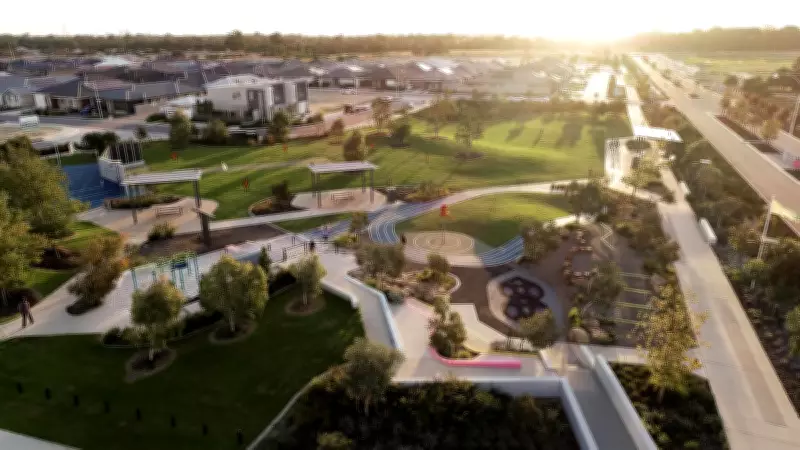
This philosophy then informs every aspect of community design. Streets are intentionally planned with slower traffic patterns and safe pedestrian crossings to encourage walkability and daily movement. Public spaces receive careful attention to lighting and layout, creating environments that promote social interaction and allow residents to feel confident walking at any hour.
Putting Theory into Practice
Parsons points to several Western Australian communities where this vision is becoming reality. In developments like Henley Brook and Iluma Private Estate, welcoming open spaces and community-focused planning form the core experience. The same approach will shape Mirvac's upcoming flagship WA community, Darling, Bullsbrook.
Set against the picturesque backdrop of the Darling Scarp, Darling, Bullsbrook combines expansive green spaces, proposed landscaped parks, and everyday conveniences to create a well-connected neighborhood designed for both belonging and long-term value.
"Mirvac also hosts engaging community events, bringing residents together to foster connection, encourage participation, and cultivate a true sense of belonging," Parsons adds.
These initiatives include:
- The Henley Brook Community Orchard Group
- "Getting to know your neighbor" programs for new residents
- Community Christmas Celebrations
Designing Spaces for Belonging
Belonging represents more than simply living somewhere—it means having an affinity for a place, feeling genuinely comfortable and happy as part of a particular group, and knowing that community members provide security and support when needed.
Parsons emphasizes that achieving this sense of belonging doesn't happen accidentally but results from intentional design that naturally brings people together.
"That means providing parks, community hubs, and local gathering spots where neighbors can meet, chat, and build relationships as part of their everyday routines," Parsons explains. "It's about designing streets and public spaces that feel active and engaging—places that encourage walking, play, conversation, and shared experiences."
He adds a crucial insight: "When spaces are welcoming, inclusive, and easy to use, they help foster openness and connection."
The Importance of Third Places
Sociologists refer to "third places" as the settings beyond home and work where community truly happens. These spaces play a vital role in neighborhood development.
"When people have welcoming, well-designed places to spend time outdoors, it sets the tone for how a neighborhood grows and connects," Parsons observes.
Proximity proves essential in this equation. "When shared spaces sit close to schools, green open space, and local shopping centers, they naturally become part of daily routines," he notes. "That's when casual interactions occur—a quick chat at the playground, a familiar face on a morning walk. Those small moments create connection and belonging over time."

Designing spaces that encourage people to truly flourish requires careful balance. For professionals like Parsons who consider how landscapes and social environments shape daily life—from morning coffee walks to afternoon park visits with pets—keeping spaces open, natural, and inviting remains paramount. In such environments, safety feels like encountering a familiar face rather than relying on surveillance.
Community Integration and Future Directions
"From our experience in masterplanned communities, we've learned that residents feel most connected when they're genuinely part of the community," Parsons states. "That's why we focus on embedding our developments seamlessly into the neighborhood and prioritizing community engagement from the very start."
He paints a vivid picture of successful community life: "When you see families at the park, neighbors walking the dog, kids riding bikes—that everyday activity creates comfort. Safety and social life go hand in hand."
Looking forward, expectations around lifestyle and wellbeing continue evolving, particularly in Perth where leafy streets and access to nature hold significant value. Parsons explains that tree planting serves purposes beyond aesthetic enhancement.
"Planting trees goes beyond enhancing neighborhood aesthetics," he clarifies. "It provides essential shade, mitigates urban heat, and fosters community connection."
He elaborates on Mirvac's comprehensive approach: "Our urban greening strategy goes beyond simply planting trees. We're designing spaces where neighbors naturally meet, where children can play safely, and where walking or cycling becomes an easy part of everyday life."
Mirvac is returning to Western Australia with decades of national experience in creating high-quality, masterplanned communities. The launch of Darling, Bullsbrook represents their next flagship WA community, bringing this accumulated expertise to the Western Australian market.