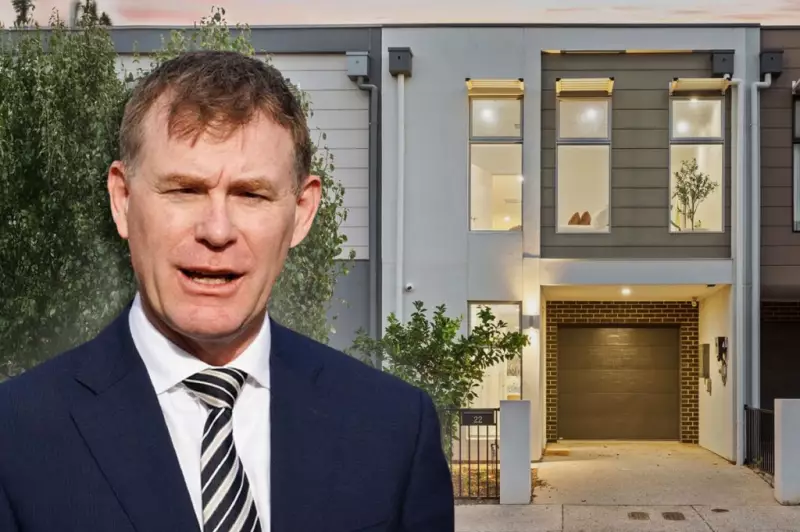
A bold government proposal to force larger garages into new South Australian home builds has been defeated in parliament, following intense scrutiny over its "truly bizarre" fine print and fears it would create streets resembling "dunny lanes."
Plan Details and the 'Front Door' Controversy
The plan, championed by the state Labor government, sought to mandate bigger garages in a push to get more cars off busy suburban streets. However, the most contentious element revealed in the legislation's detail was the potential removal of the requirement for new homes to have a front-facing front door.
Housing Minister Nick Champion defended the policy, insisting it was designed to improve street parking and traffic flow. He pointed to developments like Lightsview as examples of the intended design outcome, where garage access is prioritised. The updated proposal was put forward on December 3, 2025.

Community and Political Backlash
The reaction from critics and the community was swift and severe. The term "dunny lanes" was repeatedly invoked, painting a vivid picture of local streets dominated by garage doors and service lanes, stripping away the traditional streetscape and neighbourly interaction facilitated by front porches and doors.
Opponents argued the policy would lead to sterile, car-centric neighbourhoods, undermining community connection and aesthetic appeal. The fine print, which allowed for the removal of the mandated front door, was labelled as particularly out of touch with how Australians expect to live and interact in their communities.
Outcome and Lasting Implications
Ultimately, the government's bid failed to pass the legislative hurdle. The defeat marks a significant setback for this aspect of Labor's housing and planning agenda in South Australia.
The debate has highlighted a fundamental tension in modern urban planning: the balance between practical concerns like vehicle storage and the intangible value of streetscape design and social connectivity. While the immediate policy has been shelved, the conversation it sparked about the future look and feel of Australian suburbs is likely to continue, ensuring that future proposals will be examined for their potential to create unintended "dunny lane" outcomes.