Life After Kully Bay: The Diverse Paths of Former Car Park Residents
In the heart of Warrawong, the Kully Bay car park once served as an unofficial sanctuary for homeless individuals and travellers seeking refuge. For years, this makeshift community thrived opposite Harvey Norman, providing a temporary home for those with nowhere else to go. However, in May 2025, the New South Wales government issued compliance action notices, giving residents just 28 days to vacate the premises. The reason cited was clear: camping on public land around Lake Illawarra is strictly prohibited.
The Road Becomes Home for Some
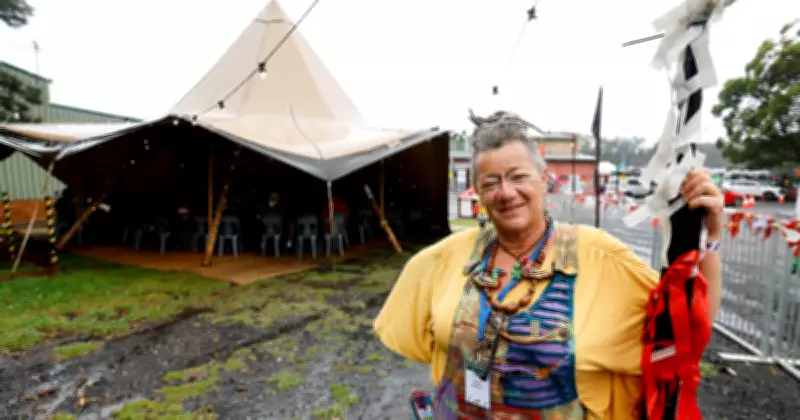
Among those affected was Tanya Walton, who spent three months living in her van at Kully Bay before the eviction. Since June 2025, she has embraced a nomadic lifestyle, selling her possessions to purchase another vehicle and hitting the open road. "I've been to Broken Hill, I've been to the Northern Rivers, I've been all through rural Victoria, working for the carnies," she recounted. Recently returning to the Illawarra for the Folk Festival, Ms Walton described the road as her therapy, despite acknowledging the challenges. "Life on the road is hard sometimes, it's really hard," she admitted. "Money is so tight and you're so worried about insurance or whatever else, but at the end of the day, I wouldn't change it for the world."
Reflecting on her time at Kully Bay, Ms Walton viewed it positively, noting it allowed her to save money and regain stability. "We were a bunch of broken people living in a car park, but somehow we all made it, we got on fairly well," she said. "You're not gonna get on with everybody all the time, but we were all civil."

Finding Permanent Shelter and Community
In contrast to Ms Walton's mobile existence, 82-year-old Mick Golding found a more settled solution through government-assisted housing services. After losing his wife Irene, Mr Golding lived in a caravan at Kully Bay, struggling to envision life without her. With support from the Wollongong Homeless Hub, he secured a villa in Corrimal, where he now resides happily. "My little dogs are happy," he shared. "Shops are close by. Everything is really good. And I've got lots of girlfriends now because I'm the only bloke there."
Initially hesitant to part with his caravan, Mr Golding changed his mind upon seeing the villa. "I kept knocking them back because they were offering me bloody tool sheds and I've got two dogs and I had the caravan then," he explained. "Then they said there's one more chance, would you live in a villa? I said, let's have a look at it. So I looked at it and I said, that's for me." He sold his van to furnish his new home, marking a significant transition from temporary living to permanent residence.
Mixed Outcomes and Ongoing Struggles
While some former residents like Mr Golding have found stable housing, others face continued uncertainty. When asked about the whereabouts of fellow Kully Bay dwellers, Mr Golding painted a varied picture. "One woman lives in a caravan at Figtree," he said. "One went to Berry. Another guy moved in with his girlfriend in Wollongong somewhere. The guy that's got the little Toyota is still wandering around." Anecdotal reports suggest that some individuals now move between car parks, feeling less secure than they did at Kully Bay.
Mick Galagher, once considered the "Mayor of Kully Bay" and a spokesperson during the eviction, remains difficult to contact. He occasionally visits the site with his van but never stays overnight, joining those without a fixed address. The car park itself now sits mostly empty, surrounded by fences and "No Parking" signs, with few people in sight.
Government Plans and Community Impact
The clearance of the Kully Bay car park is part of a broader state government initiative to redevelop the area into public space. However, Wollongong MP and Minister for Planning and Public Spaces Paul Scully emphasised that the eviction was "completely unrelated" to these plans. Instead, he stated that the goal was to connect residents with more appropriate housing options, with homelessness and housing services actively engaged to assist.

For Tanya Walton, the experience has been a journey of resilience. "The road is my therapy," she affirmed, highlighting both the hardships and the freedom of her current lifestyle. As the Kully Bay site awaits transformation, the stories of its former residents serve as a poignant reminder of the complexities surrounding homelessness and housing in regional New South Wales.