In the Hunter region, a deepening housing crisis is leaving vulnerable residents feeling as if they are walking a tightrope without a safety net. With wait times for government-supplied housing stretching up to a decade and the private rental market increasingly out of reach, many individuals and families are finding themselves with few options for stable accommodation.
A Personal Struggle Highlights Systemic Failures
Shjana Shelton's experience epitomises the struggle faced by countless others. After moving into a Hamilton South home to care for her 15-year-old brother, she was served a vacate notice by Homes NSW in May 2024. Deemed ineligible for social housing due to her fortnightly income of $2153, she was forced to leave by June 6, plunging her into a cycle of temporary accommodation, couch-surfing, and homelessness.
"I felt suicidal, it was very confronting, I felt very alone and I didn't know who to ring or who to ask for help," Ms Shelton recounted. "I felt very vulnerable. It's like you're at the circus on the tightrope with no safety net."

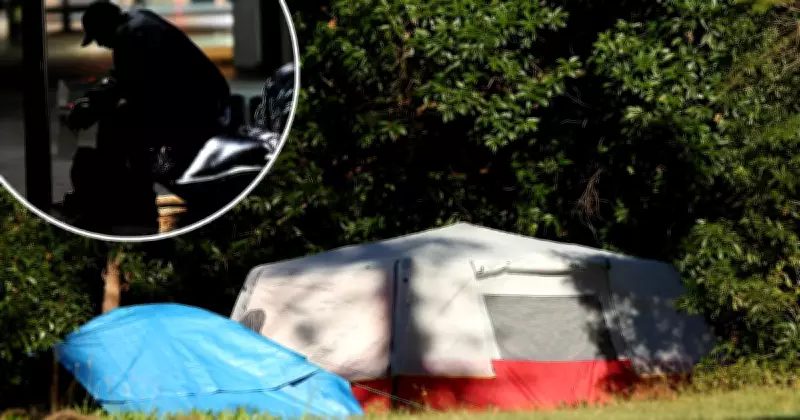
Despite support from homelessness service Jenny's Place, which argued her brother's dependency should have qualified her under a higher income threshold of $2300 per fortnight, Ms Shelton found herself trapped. The emotional toll was severe, leading her to leave her job as she could not maintain employment without a secure home. "I probably spent a good seven months on the street," she said, highlighting the dire consequences of the housing shortfall.
Soaring Wait Times and Growing Demand
Data from the Department of Communities and Justice reveals the scale of the problem. As of December 2025, wait times for social housing in areas like Newcastle, Lake Macquarie, Maitland, and Port Stephens can extend up to 10 years. In Newcastle alone, 2279 people were on the wait list, with almost 150 classified as priority applicants.
Non-governmental organisations report a surge in demand for their services. Soul Hub, for instance, saw an 11% increase in demand last year. General manager Matt Ortiger noted, "I started doing this seven years ago, and the problems we are seeing are way more complex now. So in a system that's already got gaps, it's now stretched even further by increasing complexity and increasing numbers."
Compounding Factors Exacerbate the Crisis
Several key factors are driving this crisis:
- Income Thresholds: Many individuals, particularly older women, earn slightly too much to qualify for social housing but too little to afford private rentals. Jenny's Place CEO Dawn Walker explained, "They are very low-income individuals and they are increasingly unable to sustain private rentals or apply for public support because their income is slightly too high."
- Rising Rental Costs: In Newcastle, rents have increased by an average of 8.4% annually over the past five years. According to National Shelter and SGS Economics and Planning, renters across almost the entire Hunter region were spending more than 30% of their income on rent in 2025.
- Barriers to Private Rentals: For those fleeing violence or trauma, low incomes, variable employment, and lack of rental history often lock them out of the private market. Nova for Women and Children CEO Brittany Jack observed, "Women are forced to choose between secure housing and trying to build a work history." This has led to average stays in crisis accommodation rising from three months to nine months or a year.
A Call for Comprehensive Solutions
Service providers agree that addressing this crisis requires multifaceted approaches. St Vincent de Paul's Matthew Talbot Homeless Service general manager Glenn Beatty emphasised, "There are very few options for people who can't get eligibility for housing assistance." He advocates for a significant increase in social housing properties and more affordable housing for those just outside income thresholds.

Matt Ortiger from Soul Hub added that beyond housing supply, increased funding is needed for support services addressing underlying issues like mental health, which contribute to housing insecurity. "The region not only needed more housing but also more funding to services that help people deal with the issues, such as mental health or other medical challenges, that made them housing insecure in the first place," he stated.
Looking Ahead: The Urgent Need for Change
For Shjana Shelton, now job-searching while temporarily staying with a friend in the lower Hunter, the hope is for systemic reform. "I just want something to change," she expressed. "I just want to be able to know that people can walk into the housing office and ask for help, and know that they're going to get the help they need."
As the Hunter region grapples with this complex issue, the stories of Ms Shelton and others underscore the urgent need for policy interventions and community support to prevent more residents from falling through the cracks.