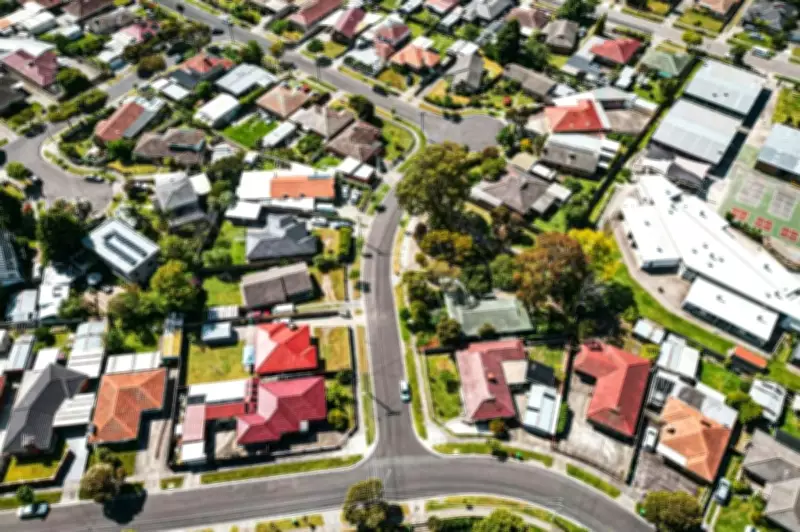
Australia's Housing Market Reveals an Extraordinary Urban Divide
New data has unveiled a remarkable split in Australia's housing markets, with certain cities experiencing explosive growth while others languish in stagnation. This divergence highlights the uneven economic and demographic forces reshaping the nation's real estate landscape, creating distinct boom towns and slower-moving regions.
Boom Towns Lead the Charge
Several Australian cities are witnessing a housing boom, characterized by soaring property prices and high demand. These areas, often driven by strong local economies, population influxes, and infrastructure investments, have seen median home values increase significantly over recent months. Factors such as job opportunities, lifestyle appeal, and government incentives are fueling this growth, making these markets highly competitive for buyers and investors alike.
Stagnant Markets Face Challenges
In contrast, other cities are grappling with stagnant or declining housing markets. Economic slowdowns, outmigration, and limited development have contributed to flat or falling property prices in these regions. Residents and property owners in these areas face challenges such as reduced equity, lower rental yields, and fewer sales opportunities, underscoring the broader economic disparities across the country.

Key Drivers of the Split
The extraordinary split in housing markets is attributed to several key factors:
- Economic Performance: Cities with robust industries and employment growth tend to attract more buyers, driving up prices.
- Demographic Shifts: Population movements, including interstate migration and international arrivals, concentrate demand in specific urban centers.
- Government Policies: Housing incentives, tax breaks, and infrastructure projects can boost certain markets while neglecting others.
- Supply Constraints: Limited housing stock in booming areas exacerbates price increases, whereas oversupply in stagnant regions depresses values.
Implications for Homebuyers and Investors
This housing market split presents both opportunities and risks. In boom towns, buyers may face affordability issues and fierce competition, but investors could see strong returns. In stagnant markets, there may be bargains for first-time buyers, but long-term growth prospects remain uncertain. Experts advise thorough research and consideration of local economic trends before making property decisions.
Future Outlook
Analysts predict that this divide could persist or even widen in the coming years, influenced by ongoing economic trends, policy changes, and global factors. Monitoring regional data and adapting strategies will be crucial for stakeholders navigating Australia's fragmented housing landscape.