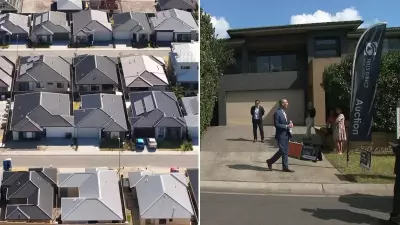
Housing Australia Future Fund Under Fire Over $10 Billion Plan
The Housing Australia Future Fund, a key initiative aimed at addressing the nation's housing crisis, is facing mounting scrutiny over its $10 billion investment plan. Critics are raising significant cost concerns, questioning the financial viability and long-term sustainability of the fund as it seeks to boost affordable housing supply across the country.
Financial Viability in Question
According to recent reports, the $10 billion plan has come under intense examination from various stakeholders, including opposition parties and economic analysts. They argue that the fund's projected returns may not be sufficient to cover the escalating costs associated with large-scale housing projects, particularly in light of current economic uncertainties and inflationary pressures.
Key concerns include:

- Potential shortfalls in funding that could delay or derail housing construction.
- The impact of rising material and labor costs on the fund's budget.
- Questions about whether the investment strategy can generate enough revenue to support ongoing housing initiatives.
Impact on Housing Affordability
The Housing Australia Future Fund was established with the goal of improving housing affordability by financing new developments and supporting low-income households. However, the cost concerns now cast a shadow over its ability to deliver on these promises. If the fund struggles financially, it could lead to fewer affordable homes being built, exacerbating the existing housing shortage and putting further pressure on vulnerable Australians.
Proponents of the fund maintain that it is a necessary step to tackle the housing crisis, but they acknowledge the need for careful financial management. They emphasize that the fund's success hinges on robust investment returns and efficient allocation of resources to maximize its impact on the housing market.
Broader Implications for Policy
This scrutiny highlights the broader challenges facing government-led housing initiatives in Australia. As the debate over the Housing Australia Future Fund continues, it underscores the importance of transparent financial planning and accountability in public policy. Stakeholders are calling for more detailed cost-benefit analyses and regular reviews to ensure the fund remains effective and sustainable in the long run.
In summary, while the Housing Australia Future Fund represents a significant effort to address housing issues, its $10 billion plan is now at the center of a contentious debate over costs and feasibility. The outcome of this discussion could have far-reaching implications for Australia's approach to housing affordability and public investment strategies.