A wave of closures is sweeping through Canberra's city dining scene, with many high-profile restaurants failing to survive beyond their second year. A combination of intense competition, staffing shortages, and a deeply ingrained local preference for convenient parking is creating a hostile environment for hospitality businesses.
The Two-Year Curse: A String of Sudden Closures
Several well-promoted venues in Civic and Braddon have shut their doors in the past year, often without warning. The list of casualties includes prominent names that had become fixtures of the local scene.
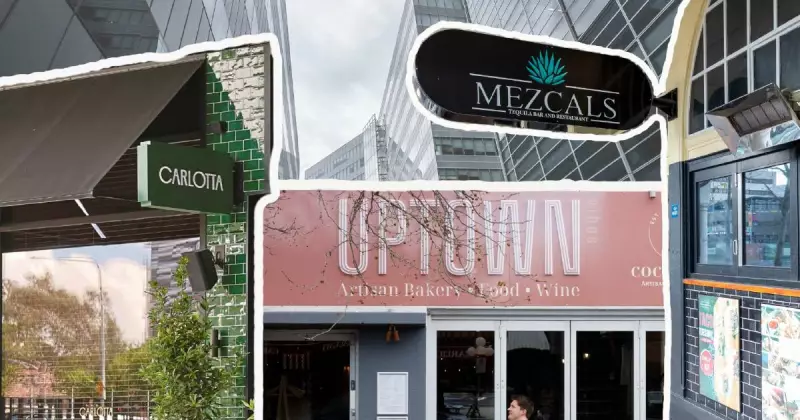
The club Cube closed after more than two decades in operation, a significant loss for the capital's nightlife. Italian restaurant Bada Bing lasted less than 18 months in its location near the Canberra bus interchange. On Lonsdale Street, Chez Fred ended its 11-year run, while Uptown Vibes folded after just seven months, closing in late November 2025.

The downturn continued right up to the festive season, with the hatted restaurant Carlotta shutting its doors mere days before Christmas 2025. Other notable closures included Mezcals Tequila Bar and Restaurant.
The Perfect Storm: Costs, Competition, and Construction
Canberra Times food reviewer and former restaurateur Chris Hansen describes the industry as one of the hardest in the world to conquer. He points to a romanticised ideal of restaurant ownership that clashes with the brutal reality of late nights and relentless financial pressure.
Beyond the universal challenges of hospitality, Canberra venues face unique local pressures. Rising inflation is squeezing margins, while major construction projects like the light rail works and the redevelopment of Garema Place have disrupted foot traffic and access.
A critical blow has been the closure of several open-air car parks in Civic, a move framed by Roads ACT as part of Canberra's evolution into a major city. However, this transition clashes with what Hansen identifies as a "country town mindset" among diners.
"Canberra people, the mindset is I want to be able to park at the front door. If I can't park at the front door, I'm not going to go there," Hansen stated.
A Discerning and Demanding Market
Canberrans are not just fussy about parking; they are sophisticated and value-conscious consumers. Hansen notes that the city's relatively wealthy and well-travelled population has refined tastes and high expectations.
"Canberra is quite a mature market, people have refined taste, and they're really focused on value," he explained. "If the value for money's not there, people won't go."
This sentiment was echoed in public comments following Carlotta's closure, where patrons criticised the perceived lack of value and inconsistent service despite the venue's chef hat accolade.
The geographic concentration of top restaurants exacerbates the competition. Unlike in larger cities, Canberra's best dining spots are all within a 20-minute drive of each other, forcing them to compete directly for the same discerning customer base.
Staffing Crisis and Parochial Tastes
A severe shortage of experienced chefs and professional waitstaff is another major hurdle. Hansen argues that Canberra lacks a deep-rooted service culture, making it "impossible" to find sufficient skilled personnel.
This shortage is particularly damaging for ventures launched by interstate chefs from Sydney or Melbourne, few of which have thrived in the capital. Hansen believes Canberrans are "very parochial" and prefer to support local operators, while out-of-town owners sometimes underestimate the market's difficulty.
Despite the bleak landscape, a few ventures are expanding. Terra opened Bar Outro in August 2025 and later launched a pizza bar, while ChiChiz Bar opened in the Sydney Building in December. Others, like St Malo, have pivoted to catering to avoid the chaos of city construction.
The future of Canberra's city dining scene hinges on navigating this complex web of challenges: adapting to a changing urban landscape, meeting the high demands of a value-driven clientele, and solving a chronic staffing shortage—all while hoping customers can find a park.