Adelaide's Heritage at Crossroads Over 38-Storey 'Tower of Regret'
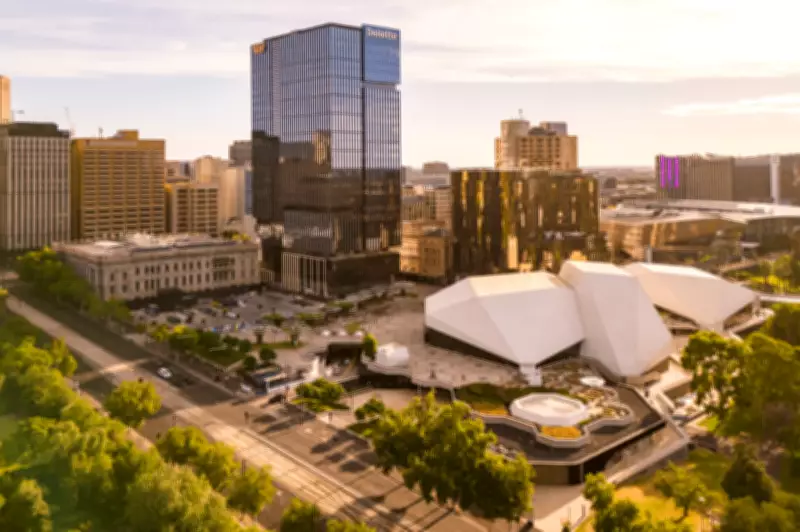
Adelaide stands at a pivotal moment in its urban development, with the proposed 38-storey Festival Tower Two sparking intense debate and opposition. The project, dubbed the 'tower of regret' by critics, is currently deemed 'under construction' by developers, despite lacking final development approval from local authorities. This controversial status has raised significant concerns about the future of Adelaide's civic heart and its rich heritage.
High-Profile Opposition and Heritage Concerns
A high-profile group, including a former Premier of South Australia, has voiced strong opposition to the Festival Tower Two development. They argue that the tower could irreversibly alter the city's skyline and undermine its historical character. Heritage expert Elizabeth Vines has been particularly vocal, warning that Adelaide is at a defining crossroads. She emphasizes that decisions made now will have lasting impacts on the city's identity and cultural legacy.
Vines points out that the tower's scale and design may clash with surrounding heritage buildings, potentially diminishing the aesthetic and historical value of Adelaide's central district. Her warnings highlight a broader tension between modern development pressures and the preservation of urban heritage, a challenge faced by many growing cities worldwide.

Development Status and Regulatory Issues
The Festival Tower Two project, led by Walker Corporation, is officially listed as 'under construction,' yet it remains without final development approval. This ambiguous status has fueled controversy, with opponents questioning the legality and transparency of the process. Critics argue that proceeding without full approval sets a dangerous precedent for future developments in Adelaide.
Supporters of the tower, however, contend that it will bring economic benefits, including job creation and increased tourism, by adding a modern landmark to the city. They assert that the development aligns with Adelaide's growth ambitions and will enhance its global profile. Despite these claims, the lack of final approval continues to be a sticking point, with regulatory bodies under pressure to review the project thoroughly.
Broader Implications for Urban Planning
This situation reflects larger issues in urban planning and heritage conservation. As cities like Adelaide expand, balancing development with preservation becomes increasingly complex. The debate over Festival Tower Two serves as a case study in how communities can engage with such challenges, involving public consultation, expert input, and political will.
Ultimately, the outcome of this controversy will shape Adelaide's urban landscape for generations. Whether the tower proceeds as planned or is modified or halted, it underscores the importance of thoughtful, inclusive decision-making in city planning. Heritage advocates like Elizabeth Vines urge stakeholders to consider long-term consequences over short-term gains, ensuring that Adelaide's civic heart remains vibrant and true to its roots.