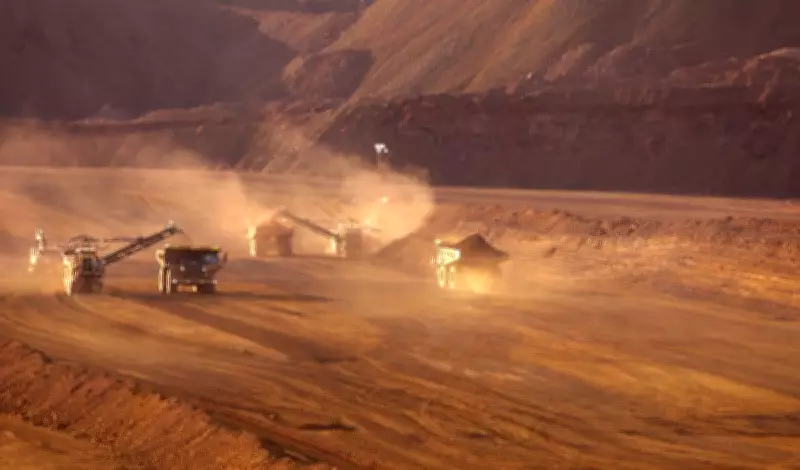
Fortescue Metals Group is locked in a new confrontation with unions at its Pilbara iron ore operations, a dispute that has thrust the Albanese government's industrial relations reforms into the spotlight.
The mining giant, one of Australia's largest iron ore producers, is facing allegations of unfair labor practices from union representatives who claim the company is attempting to sideline collective bargaining agreements. The clash centers on Fortescue's efforts to introduce individual workplace agreements, which unions argue undermine the principles of enterprise bargaining enshrined in the Fair Work Act.
Background of the dispute
The current tension has been brewing for months, with unions accusing Fortescue of refusing to negotiate in good faith over a new enterprise agreement covering thousands of workers at its Pilbara mines. The company, however, maintains that it is simply seeking greater flexibility to remain competitive in a volatile global market.

This is not the first time Fortescue has clashed with unions. In 2020, the company faced similar allegations during negotiations for a previous enterprise agreement. However, the stakes are now higher due to the Albanese government's proposed changes to industrial relations laws, which include strengthening collective bargaining and closing loopholes around labor hire and casual employment.
Impact on Albanese's IR reforms
The dispute has become a test case for the government's industrial relations agenda. Critics argue that Fortescue's aggressive stance demonstrates that the proposed laws are necessary to protect workers' rights, while business groups contend that they will stifle productivity and deter investment.
Employment Minister Tony Burke has weighed in, stating that the government is committed to ensuring that workers are not forced into unfair agreements. 'The days of workers being exploited through individual contracts that strip away their conditions are over,' Burke said. 'Our reforms will restore balance to the system.'
However, the Business Council of Australia has warned that the government's approach could lead to increased industrial action and higher costs for employers. 'We need a system that works for both employers and employees, not one that favors one side at the expense of the other,' said BCA chief executive Jennifer Westacott.
Union response
The Australian Workers' Union (AWU) and the Mining and Energy Union (MEU) have both condemned Fortescue's actions, accusing the company of trying to erode hard-won conditions. 'Fortescue is trying to drive a wedge between workers and their union representatives,' said AWU national secretary Daniel Walton. 'This is exactly the kind of behavior the government's reforms are designed to prevent.'
The unions have indicated they may escalate the dispute by taking protected industrial action, including potential strikes, if Fortescue does not return to the bargaining table.
Fortescue's position
Fortescue has defended its position, arguing that it needs to modernize its workplace arrangements to adapt to changing market conditions. A company spokesperson said, 'We are committed to providing competitive wages and conditions for our employees. Our proposal offers flexibility that benefits both the company and our workforce.'
The company has also pointed to its strong track record on safety and community engagement, suggesting that the union's claims are exaggerated.
The dispute is being closely watched by other mining companies and industry groups, as it could set a precedent for how the Albanese government's IR reforms are implemented in practice. With the legislation still before parliament, the outcome of this battle could have far-reaching implications for Australia's industrial relations landscape.