FMR and Southern Hemisphere Zero In on Chilean Copper-Gold Porphyry Prize
ASX-listed partners FMR Resources and Southern Hemisphere Mining have successfully concluded their third deep diamond drilling hole at the Llahuin copper-gold project in Chile, targeting a significant porphyry system. The latest 1,038-metre hole at Target K has intersected wide sections of mineral-bearing rock, strongly indicating the presence of a large-scale copper-gold porphyry mineralisation style.
Visible Mineralisation and Structural Insights
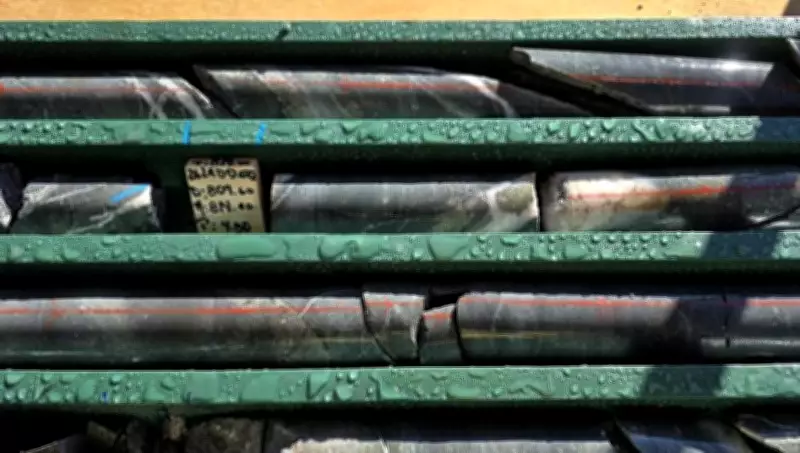
Visual copper and molybdenum sulphides were identified at multiple intervals from 251 metres to 825 metres downhole. Company geologists noted these sulphide minerals within quartz-sulphide veins around rock intrusions, displaying classic hallmarks of a mineralised porphyry system. The data collected suggests the rock structures are trending south and east from the current drilling site, guiding the team toward what is believed to be the main mineralised area.
New plans for a follow-up mega hole are already in development, based on these findings. The joint venture, formalised in June last year, allows FMR to earn up to 60 per cent of Southern Hemisphere's southernmost ground by investing $13 million in exploration and drilling over five years.

Drilling Strategy and Geological Analysis
This third hole was strategically positioned approximately 250 metres southwest of Target A and 400 metres east-southeast of Target C. Its purpose was to trace mineralised pathways between earlier targets and gather clues on the location of higher-grade porphyry deposits. Several porphyry-related intrusive rock types were intersected, with handheld XRF readings revealing strong copper-molybdenum signatures.
The intrusive package indicates the hole has penetrated the mineralised footprint of the system and is moving closer to the porphyry source compared to previous drilling at Targets A and C. Downhole geophysical data from Target K will now be collected and integrated with earlier results for comprehensive analysis.
Structural Variations and Future Directions
Earlier logging showed consistent veining in the first two holes, with a north-northeast strike and moderate dip to the east-southeast. In contrast, veins in the latest hole exhibit more variation, trending mostly east-northeast with a moderate dip to the south-southeast. This structural change signals a move closer to the fluid engine, sharpening the focus for future drilling south, east, and deeper from Target K.
FMR Resources managing director Oliver Kiddie commented, 'This drillhole has intersected multiple porphyry intrusive phases with visible copper and molybdenite sulphides, confirming that we have intersected the outer mineralised zones of this extensive system.'
Project Context and Resource Potential
The Southern Porphyry target is located within a six-kilometre, north-south trending mineralised belt at the Llahuin project, home to several copper-gold-molybdenum porphyry hubs. Mid-2025 surface mapping identified clay-style alteration, silica hardening, and epithermal quartz veining—classic indicators of hotter fluids near the upper levels of the system—alongside patches of secondary copper minerals typical in shallow porphyry zones.
Re-examination of older drill cores confirmed these traits at deeper levels, with sections showing fluid-altered rock, silica buildup, and scattered chalcopyrite-pyrite minerals. Historic work pointed to a compressed system, with epithermal vein and alteration styles situated above a deeper porphyry centre.
Immediately north of the joint venture zone, Southern Hemisphere holds three shallow deposits—Central, Ferro, and Cerro—along the same mineralised stretch. The combined copper resource across these areas totals 218 million tonnes grading 0.38 per cent copper equivalent, containing 496,600 tonnes of copper, 654,900 ounces of gold, and 12,500 tonnes of molybdenum.

Implications and Next Steps
If this latest drilling is indicative, the exploration is edging closer to the high-temperature core of the system. A successful hunt could rapidly elevate Llahuin from an emerging porphyry prospect to a major copper story in Chile. With geophysics and geochemistry guiding the way and visible copper-molybdenum sulphides in hand, the joint venture partners appear to be closing in on a fabled Andean porphyry copper discovery.
The partners plan to share further updates on lab assay results, interpretations, and drill planning as they become available. The overall assessment now places the porphyry origin south, east, and below the current spot, eagerly awaiting follow-up drilling to unlock its full potential.