Port Kembla Steelworks: Tales of Danger and Survival from the Furnace
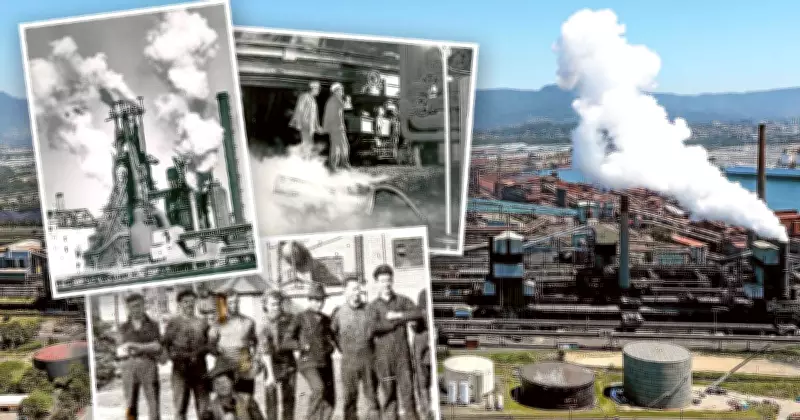
The Port Kembla steelworks, a towering icon of Australia's industrial heritage, has long been a place where danger and resilience intertwine. Former workers recount harrowing stories of near-misses, intense heat, and the constant threat of injury, painting a vivid picture of life in one of the nation's most hazardous workplaces. These narratives not only highlight the physical challenges but also the unbreakable spirit of those who kept the furnaces burning.
A Legacy of Risk and Fortitude
For decades, the steelworks at Port Kembla have been synonymous with both economic vitality and peril. Operating since the early 20th century, the facility has seen countless workers navigate an environment where molten metal, heavy machinery, and extreme temperatures are part of daily life. Many former employees describe close calls that could have ended in tragedy, from slips near open furnaces to equipment malfunctions. Yet, amidst these dangers, a culture of vigilance and camaraderie emerged, with workers relying on each other to spot hazards and respond swiftly to emergencies.
One retired steelworker, who spent over 30 years at the site, recalls a particularly chilling incident where a misstep nearly sent him into a vat of liquid steel. "You learn to move with purpose," he says, emphasizing the need for constant awareness. Such accounts underscore the high stakes of industrial labor, where a moment's lapse could be fatal. The steelworks' history is dotted with accidents that have left lasting scars, both physical and emotional, on the workforce.

The Human Element in a Harsh Environment
Beyond the machinery and molten metal, the stories from Port Kembla reveal a deep sense of community among workers. In an era before modern safety regulations were fully entrenched, employees developed their own systems to protect one another, often improvising solutions to unforeseen dangers. This informal network of support was crucial for survival, as formal training and protective gear were sometimes limited. Workers speak of sharing tips on avoiding burns, coordinating rescue efforts during crises, and fostering a bond that transcended the grueling shifts.
Another former laborer highlights the psychological toll, noting that the constant exposure to risk led to a heightened state of alertness that could be exhausting. "You never really switched off," he explains, describing how the sounds and smells of the steelworks became ingrained in his memory. Despite this, many express pride in their contributions to Australia's manufacturing sector, viewing their work as essential to the nation's growth. The steelworks not only produced steel but also forged resilient individuals who faced adversity head-on.
Reflections on Safety and Change
Over the years, safety standards at Port Kembla have evolved significantly, with improved protocols, better equipment, and stricter regulations reducing the frequency of serious incidents. However, the legacy of past dangers remains a poignant reminder of the sacrifices made by earlier generations. Current and former workers advocate for continued vigilance, stressing that even with advancements, industrial sites like steelworks inherently carry risks that require ongoing attention.
These tales of danger and survival serve as a testament to the human capacity to endure and adapt. They also raise important questions about workplace safety in heavy industries, prompting discussions on how to balance productivity with worker well-being. As Port Kembla continues to operate, albeit with a smaller workforce and modernized processes, the stories from its past offer valuable lessons for the future, ensuring that the hard-won knowledge of survival is not forgotten.