Canberra Insurance Excesses Skyrocket Following Tobacco Shop Openings
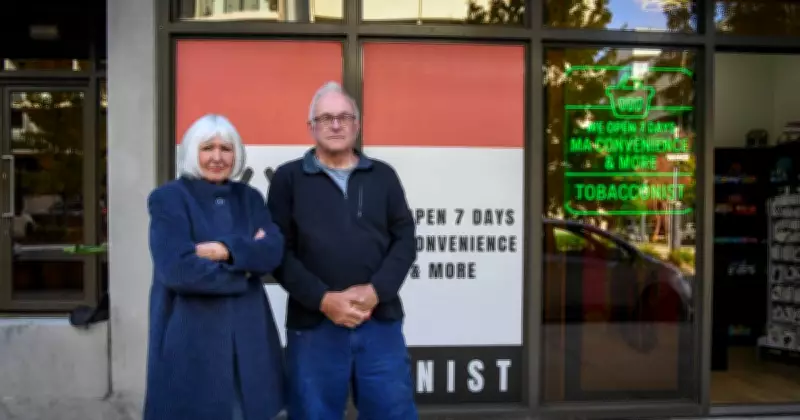
Residents in Canberra are experiencing significant hikes in their insurance excesses, with some reporting increases of up to 30% in recent months. This surge is directly linked to the opening of new tobacco shops across the city, which insurers claim has led to a rise in crime-related incidents, including theft and vandalism. The situation has left many locals struggling with higher out-of-pocket costs when making claims, adding financial strain to households already facing economic pressures.
Impact on Household Budgets
The sharp rise in insurance excesses is having a tangible effect on Canberra families. For example, one resident noted that their home insurance excess jumped from $500 to $650, while another reported a car insurance excess increase of 20%. Insurers attribute these adjustments to heightened risk assessments in areas with new tobacco retailers, citing data that shows a correlation between such shops and increased criminal activity. This has prompted concerns about affordability, as higher excesses can deter people from filing claims, potentially leaving them underinsured in emergencies.
Community and Policy Responses
Local community groups have voiced alarm over the situation, arguing that the insurance hikes unfairly penalize residents for factors beyond their control. They are calling for more transparent risk modeling from insurers and greater regulatory oversight to prevent excessive premium adjustments. Meanwhile, policymakers are considering measures to address the root causes, such as enhancing security around tobacco shops or reviewing zoning laws. The debate highlights broader issues of urban planning and public safety in Canberra, with stakeholders urging a balanced approach that protects both consumers and community well-being.

Future Outlook and Recommendations
Looking ahead, experts predict that insurance excesses may continue to climb if crime rates associated with tobacco shops do not abate. To mitigate this, recommendations include investing in community policing initiatives, improving lighting and surveillance in affected areas, and fostering dialogue between insurers, retailers, and residents. For now, Canberra dwellers are advised to shop around for competitive insurance quotes and consider adjusting their coverage levels to manage costs. The situation serves as a reminder of how local business developments can have far-reaching financial implications for everyday Australians.