A significant shift is underway in Western Australia's energy landscape, with households in the state's outer suburbs embracing home battery storage at a remarkable rate. This surge is being directly fuelled by the State Government's battery rebate program, designed to help residents store their solar power for use at night.
Outer Suburbs Lead the Charge on Energy Storage
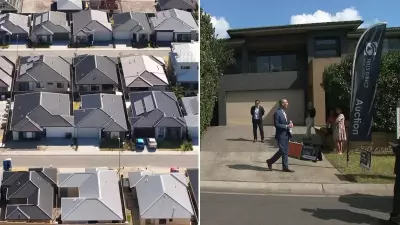
New data reveals a striking trend: almost 70 per cent of the home battery systems installed under the rebate scheme are going into houses in Perth's outer suburbs and regional areas. This information comes from Synergy, the state's major energy retailer, which administers the popular program. The figures highlight how the incentive is making battery technology a practical reality for families in newer housing developments, where solar panel uptake is already high.
The state's Battery Booster rebate offers up to $3,000 for the installation of a home battery system, significantly reducing the upfront cost for homeowners. When combined with a similar federal government loan scheme, the financial barrier to adopting this technology has been lowered dramatically. The program's success is clear, with applications flooding in since its inception.

How the Rebate Scheme is Changing Household Energy Use
The primary driver for most households is straightforward: reducing electricity bills. By storing excess solar energy generated during the sunny day, families can power their homes in the evening without having to draw expensive power from the grid. This not only saves money but also eases pressure on the wider electricity network during peak demand periods after sunset.
Energy Minister Reece Whitby pointed to the dual benefits of the initiative. He stated the program is "putting money back into the pockets of WA households" while simultaneously "adding more renewable energy to the grid." This aligns with the state's broader strategy to manage the transition towards a more sustainable and decentralised energy system.
The popularity of the scheme has been immense. Earlier this year, the government was forced to pause new applications after the initial allocation of 3,500 rebates was exhausted far quicker than anticipated. A subsequent tranche of 1,700 additional rebates was announced in the state budget, demonstrating the government's commitment to meeting the strong public demand.
The Future of Home Energy in Western Australia
This trend towards home battery storage represents a crucial step in WA's energy evolution. It moves households from being just consumers of electricity to becoming active participants in a two-way energy system. The concentration of installations in outer suburbs suggests these communities are at the forefront of this change, potentially leading to more resilient local grids.
The continued appetite for the rebates indicates that when financial incentives align with long-term savings, homeowners are quick to adopt green technology. As battery technology advances and costs potentially decrease further, this surge in home energy storage is likely to continue, reshaping how Western Australians power their lives and contributing to the state's emissions reduction targets.
For families considering the move, the advice is to act promptly when rebate rounds open, given the high demand. The combination of state and federal support presents a unique window of opportunity to invest in energy independence and take control of rising power costs.