Trucking Industry Demands Fuel Tax Halved and Green Subsidies Cut
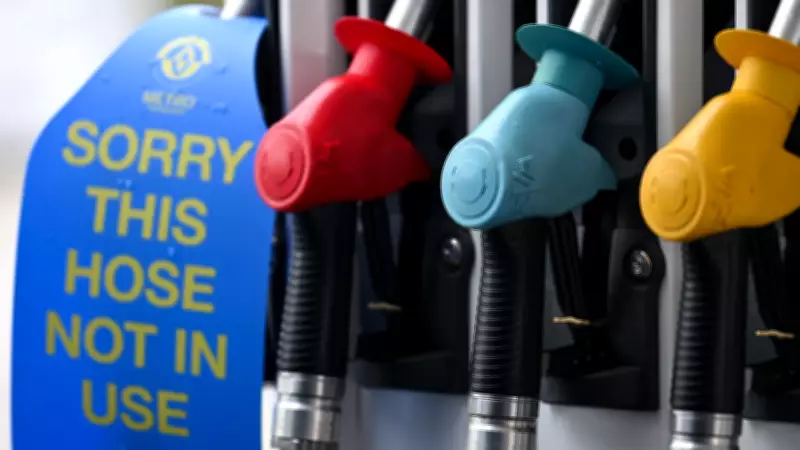
Phil Thompson, a prominent figure in the trucking sector, has issued a strong call to action, urging the government to implement significant financial relief measures for the industry. He is advocating for a fifty percent reduction in the fuel excise tax, which currently stands as a substantial burden on transport operators nationwide. This proposed cut aims to alleviate the escalating operational costs that have been squeezing profitability and threatening the viability of many trucking businesses.
Economic Pressures on Transport Sector
The trucking industry, a critical backbone of the Australian economy, is facing unprecedented challenges due to rising fuel prices and increased regulatory expenses. Thompson emphasizes that these financial strains are not just isolated issues but are cascading effects that impact supply chains, consumer prices, and overall economic stability. By halving the fuel tax, he argues, the government can provide immediate and tangible support, helping to keep trucks on the road and goods moving efficiently across the country.
Critique of Green Subsidies
In addition to the fuel tax reduction, Thompson is calling for cuts to green subsidies, which he views as misallocated resources that could be better spent on direct industry support. He contends that while environmental initiatives are important, the current subsidy framework does not adequately address the immediate needs of the trucking sector. Redirecting these funds, he suggests, could fund infrastructure improvements, safety enhancements, or further tax relief, creating a more balanced approach to both economic and environmental goals.

Impact on Townsville and Beyond
This advocacy is particularly relevant for Townsville, a key logistics hub in regional Australia, where the trucking industry plays a vital role in local employment and commerce. Thompson highlights that without such measures, regional communities could suffer from reduced transport services, leading to higher costs for essential goods and potential job losses. His proposals are framed as essential steps to safeguard not only the industry but also the broader economic health of areas like Townsville and similar regions across the nation.
Broader Implications for Policy
The call to halve the fuel tax and cut green subsidies sparks a broader debate on government spending and industry support. It raises questions about how to balance fiscal responsibility with sector-specific aid, especially in times of economic uncertainty. Thompson's stance underscores the need for targeted policies that address the unique challenges faced by the transport industry, suggesting that a one-size-fits-all approach may not be effective in sustaining critical infrastructure and services.
As discussions continue, the trucking industry's demands highlight the interconnected nature of economic policy, environmental considerations, and regional development. Stakeholders are watching closely to see how policymakers respond to these calls for change, which could have lasting effects on Australia's transport landscape and overall economic resilience.