Sky Renewables Announces Major $1 Billion Biofuel Project in Burdekin
In a significant development for the renewable energy sector, Sky Renewables has revealed a groundbreaking $1 billion plan to convert cane trash from the Burdekin region into sustainable fuel. This ambitious initiative aims to address both agricultural waste management and the growing demand for clean energy solutions in Australia.
Transforming Agricultural Byproducts into Valuable Resources
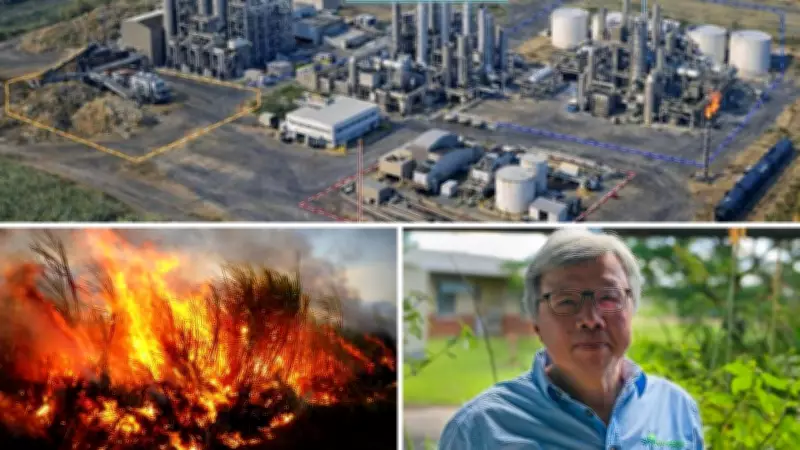
The project focuses on utilizing cane trash, which is the leftover plant material after sugar cane harvesting, as a feedstock for biofuel production. Traditionally, this waste is often burned or left to decompose, contributing to environmental issues. Sky Renewables' innovative approach seeks to repurpose this material into a viable fuel source, potentially reducing greenhouse gas emissions and creating new economic opportunities.
Key aspects of the plan include:

- Establishing a state-of-the-art processing facility in the Burdekin area.
- Implementing advanced technologies to efficiently convert cane trash into biofuel.
- Creating numerous jobs during both the construction and operational phases.
- Supporting local farmers by providing an additional revenue stream from their waste products.
Economic and Environmental Benefits for the Region
This $1 billion investment is expected to have a profound impact on the Burdekin community and beyond. Economically, it promises to stimulate growth through job creation and increased investment in the region. Environmentally, the project aligns with global efforts to transition away from fossil fuels and promote circular economy principles by turning waste into a valuable resource.
Experts suggest that such initiatives could set a precedent for other agricultural regions in Australia, encouraging similar sustainable practices. The biofuel produced could be used in various applications, including transportation and industrial processes, further diversifying the energy mix and enhancing energy security.
Challenges and Future Prospects
While the plan is ambitious, it faces challenges such as securing regulatory approvals, ensuring consistent supply of cane trash, and managing logistical complexities. However, Sky Renewables remains optimistic about the project's feasibility and long-term success, citing growing support from stakeholders and advancements in biofuel technology.
As the world increasingly focuses on renewable energy, projects like this highlight Australia's potential to lead in innovative solutions. The Burdekin initiative not only aims to reduce waste but also contributes to a more sustainable and resilient energy future for the nation.