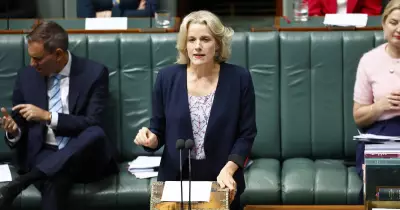
Rita Saffioti Unveils 10 Key Initiatives to Lower Train Costs and Support Regional Areas
Western Australia's Transport Minister, Rita Saffioti, has detailed a comprehensive plan aimed at making train travel more affordable and bolstering regional communities through targeted subsidies. In a recent opinion piece, she highlighted ten specific strategies designed to keep costs down for commuters and enhance accessibility across the state.
Cheaper Train Tickets and Enhanced Regional Support
The core of Saffioti's proposal focuses on reducing ticket prices for train services, which she argues is essential for easing financial burdens on families and individuals. By implementing fare adjustments and promotional discounts, the government aims to encourage greater use of public transport, thereby reducing traffic congestion and environmental impact. Additionally, regional subsidies are a critical component, ensuring that remote and rural areas receive adequate funding to maintain and improve their transport networks.
Key Measures to Drive Down Expenses
Saffioti's ten-point plan includes several innovative approaches to cost management. These involve optimizing operational efficiencies, investing in modern infrastructure to reduce maintenance expenses, and leveraging technology to streamline ticketing systems. The minister emphasized that these efforts are not just about cutting prices but also about creating a more sustainable and equitable transport system. For instance, subsidies for regional routes will help bridge the gap between urban and rural services, promoting economic growth and social cohesion in less populated areas.

Impact on Communities and Future Outlook
The initiatives are expected to have a positive ripple effect on local economies, as cheaper transport can increase mobility for workers and students, fostering job opportunities and educational access. Saffioti also pointed out that these measures align with broader state goals of reducing carbon emissions and improving public health through reduced car dependency. Looking ahead, the government plans to monitor the implementation closely, with potential adjustments based on community feedback and performance metrics. This proactive approach underscores a commitment to responsive governance and long-term planning in the transport sector.