Energy Ombudsman Launches Inquiry into EnergyCo's Land Payment Practices
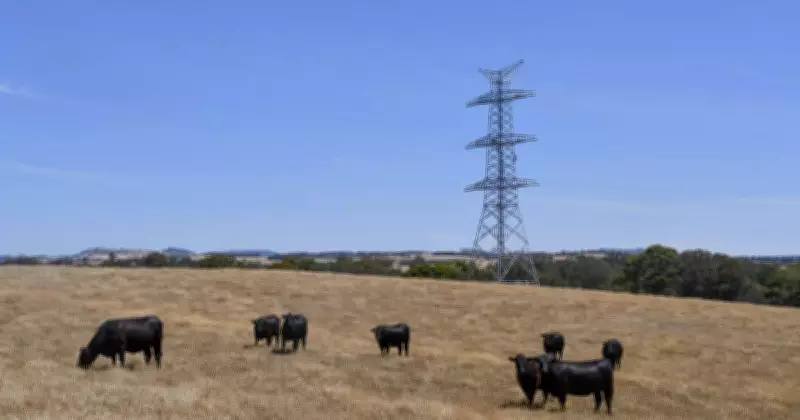
A significant investigation is underway by the Energy and Water Ombudsman NSW (EWON) targeting EnergyCo, a key entity in the state's renewable energy shift. The probe centres on allegations that the corporation may be imposing unreasonable barriers for landholders seeking reimbursement for legal and valuation expenses during negotiations for the Hunter Transmission Project.
Controversy Over $10,000 'Guideline' Payments
Under the Land Acquisition (Just Terms Compensation) Act 1991, acquiring authorities like EnergyCo are mandated to compensate landholders for reasonably incurred legal and valuation fees. The legislation does not stipulate any specific monetary limits or guidelines for these costs, emphasising flexibility based on individual circumstances.
However, EnergyCo has communicated to Hunter region landholders that it considers $10,000 for legal and conveyancing fees, plus an additional $10,000 for valuation fees—both inclusive of GST—as reasonable amounts. The corporation requires notification for any costs exceeding these figures, sparking debate over whether this effectively creates a cap contrary to the Act's intent.

Legal Perspectives on Compensation Guidelines
Mark Fogarty, a director at Bushtricity and a Sydney-based lawyer, commented on the situation. He acknowledged that guidelines could help prevent excessive legal costs but stressed they must remain adaptable.
"I think it is fair and reasonable to set out some guidelines, but they need only be guidelines and each case needs to be looked at on its own," Fogarty stated. He further noted that landholders dissatisfied with cost decisions could seek recourse through the Land and Environmental Court of NSW, which serves as the ultimate arbiter for fair interpretation of the law.
EWON's Role and Complaint Statistics
EWON has been approached regarding actions taken since the complaint was filed, but the ombudsman declined to discuss the specific case. According to EWON's 2024-2025 Annual Report, EnergyCo's top complaints included customer service issues and land impact concerns.
The report detailed that approximately 28% of complaints involved failures to consult or inform, 26% related to lack of response, and 25% pertained to network or transmission asset placement. These figures highlight ongoing challenges in stakeholder engagement for large-scale energy projects.
EnergyCo's Stance on Landholder Compensation
An EnergyCo spokesperson addressed the inquiry, recognising the significant impact that major infrastructure projects can have on landholders. "Whether it is for road, rail, or transmission easements, land-owners are rightly entitled to compensation, including for the market value of the property interest and for reimbursement of reasonable legal and valuation fees," the spokesperson affirmed.
The corporation clarified that the $10,000 figures are not caps but indicative ranges intended to provide guidance. "Each landholder's situation is different and reasonable compensation is proportionate with its legal complexity," the spokesperson added, emphasising that EnergyCo does not set or control costs incurred by landholders.
Broader Implications for Renewable Energy Projects
The Hunter Transmission Project remains crucial for New South Wales' energy security, facilitating the integration of renewable sources into the grid. However, this investigation underscores the delicate balance between advancing essential infrastructure and safeguarding landholder rights.
EnergyCo maintains that its indicative cost ranges are reviewed regularly and applied consistently across all projects, aiming to support landholders in their engagement and decision-making processes. The outcome of EWON's inquiry could influence how compensation guidelines are implemented in future renewable energy developments across Australia.