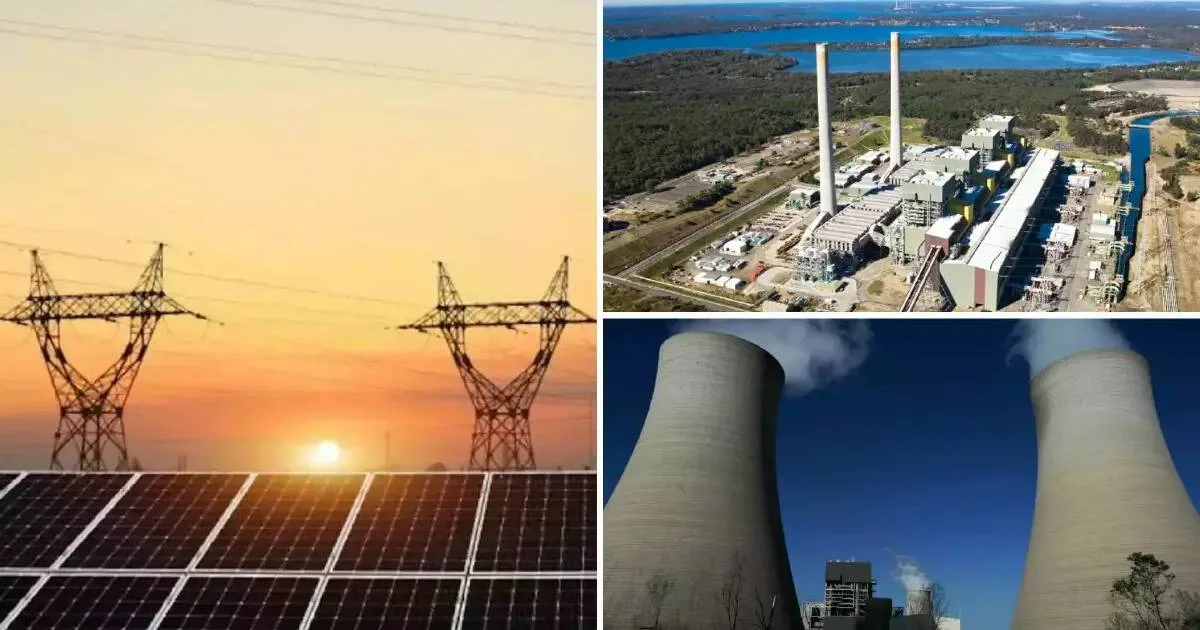
The Hunter region's clean energy transition in 2025 saw both significant advances and major setbacks, according to a year-end review. While some projects moved forward, others stalled, delaying the shift away from coal.
On the positive side, the year ended with plans for a $171 million solar manufacturing plant at Black Hill and a groundbreaking ceremony for AGL's grid-scale battery at Tomago. However, the year began with high hopes for a two-gigawatt offshore wind project, which ultimately fell through when Norwegian energy giant Equinor withdrew in August, citing global headwinds.
Climate Change and Energy Minister Chris Bowen acknowledged the setback, stating that offshore wind fundamentals remain strong but the timeline will be longer and more challenging. The region's reliance on coal also persisted, with Origin Energy expected to extend the life of the Eraring coal-fired power station through 2029, and AGL planning to keep Bayswater running until 2030-2033.

Despite these hurdles, battery storage projects made substantial progress. The Waratah Super Battery at Munmorah was energized and registered with the National Electricity Market in September. Origin Energy approved a fourth stage of its Eraring battery, increasing dispatch duration to nearly six hours, with construction starting before year-end and completion expected in early 2027.
AGL's Liddell battery, a $750 million project on the site of the former power station, was registered with the Australian Energy Market Operator in September, and a groundbreaking ceremony was held for an $800 million, 500-megawatt battery at Tomago. The company noted that falling lithium-ion battery costs have benefited the project.