Hunter Data Centre Boom: Economic Hope vs Water and Power Strain
A new multibillion-dollar data centre industry is emerging as a potential cornerstone for the Upper Hunter's economic future beyond mining. However, this promising transition comes with significant questions about the region's capacity to handle the immense resource demands of these facilities.
Parliamentary Scrutiny Over Rapid Expansion
A New South Wales parliamentary committee is launching a detailed investigation into whether the state is adequately prepared for the current and projected scale of data centre development. With over 90 data centres already operating across NSW and approximately 20 more in the planning stages, the inquiry aims to address critical concerns about sustainable growth.
"There's no doubt we need data centres, but how many do we need, what kind and where should they be located?" stated Greens MLC Abigail Boyd, who chairs the Public Accountability and Works Committee. "In the Hunter we need to make sure they don't get dumped on top of contaminated land that should be rehabilitated."

Why the Hunter is a Prime Target
The Upper Hunter presents several attractive advantages for data centre developers:
- Large tracts of available post-mining land
- Excellent connectivity to existing power grid infrastructure
- Reliable water supply access
- Proximity to major population centres while avoiding Sydney's housing priorities
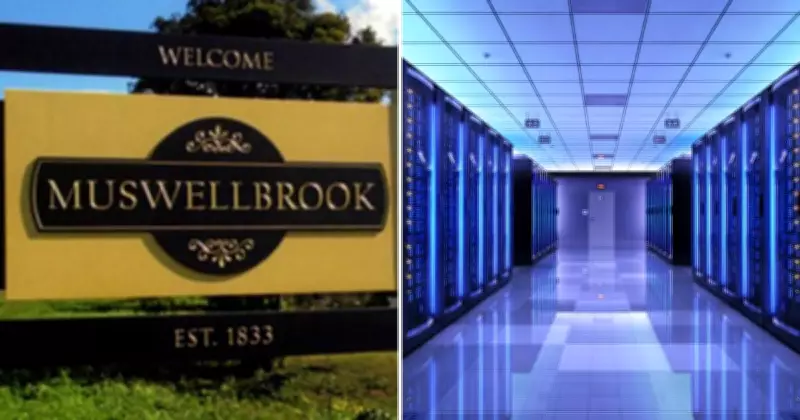
Muswellbrook Shire Council has already received multiple inquiries about establishing data centres within its jurisdiction. Meanwhile, energy giant AGL has confirmed that data centres will form part of the diverse user mix at the 10,000-hectare Hunter Energy Hub, located on the site of the former Liddell Power Station.
The Soaring Resource Challenge
Data centres are notoriously resource-intensive, and projections for NSW reveal staggering future demands:
- Electricity Consumption: Grid power demand is expected to surge by 28 percent over the next decade, largely driven by data centre requirements. By 2030, these facilities could consume approximately 11 percent of NSW's entire electricity supply.
- Water Usage: While data centres currently use less than 1 percent of Sydney's water supply, this figure is projected to explode to 25 percent by 2035 – equivalent to 250 million litres daily. "Sydney Water has said that at Macquarie Park they are worried that data centres are actually going to stop them being able to connect houses as quickly as they need to," Ms Boyd noted, warning that similar issues could emerge in the Hunter.
Local Leadership Calls for Smart Growth
Muswellbrook Mayor Jeff Drayton emphasised that while the shire welcomes investment supporting economic transition, careful planning is essential. "Muswellbrook Shire is open to investment that supports our economic transition, including data centres, but we'll be smart about how and where that growth happens," Mayor Drayton declared.
"These developments require significant energy and water, so any proposal needs to demonstrate long-term value for our community, responsible use of infrastructure and strong environmental outcomes."
Industry Perspective on Renewable Integration
AGL has positioned data centres as a key component of its integrated energy hubs strategy. A company spokeswoman explained that data centres could help fund the transition to renewable energy while creating regional employment opportunities.
"We need to think about them carefully given their need for firmed renewable power," the spokeswoman stated. "Concentrating load in brownfield hubs leverages and supports efficient utilisation of existing network assets and avoids placing incremental pressure on constrained parts of the grid."
The company confirmed ongoing discussions with various data centre operators and highlighted potential benefits like utilising waste heat generated by these facilities, contributing to a circular energy ecosystem.

The parliamentary inquiry continues to accept submissions until March 27, as stakeholders across government, industry and community groups grapple with balancing economic opportunity against resource sustainability in the Hunter's evolving landscape.