Broad Support Emerges for Gas Export Tax Amid Global Turmoil
In the wake of escalating global tensions and a deepening energy crisis, a simple yet powerful policy proposal is gaining traction across Australia. A 25 per cent tax on gas exports has received endorsement from a diverse coalition, including union movements, corporate executives, and political factions ranging from Clive Palmer's party to the Greens and One Nation voters. This measure, experts argue, could provide a crucial financial buffer as the nation navigates uncertain times.
Global Instability and Its Impact on Australia
The world is grappling with heightened geopolitical risks, particularly stemming from actions by US President Donald Trump. His recent threats against Iran, including menacing posts on social media, have exacerbated a global energy crisis, with ripple effects felt at Australian petrol bowsers. Trump's rhetoric and military interventions, alongside Israel's actions, have led to civilian casualties and strained international alliances, prompting European nations like Spain to reassess their dependence on US support.
Europe's response has been one of caution, with countries withholding cooperation and seeking to decouple from US financial and technological systems. In contrast, Australia's reaction has been more subdued, with the Albanese government initially backing the war on Iran but avoiding commentary on its legality. Foreign Minister Penny Wong later condemned threats of destruction, yet there remains a lack of assertive action from Australian leaders to leverage the nation's economic power in this volatile landscape.

Australia's Economic Leverage and Missed Opportunities
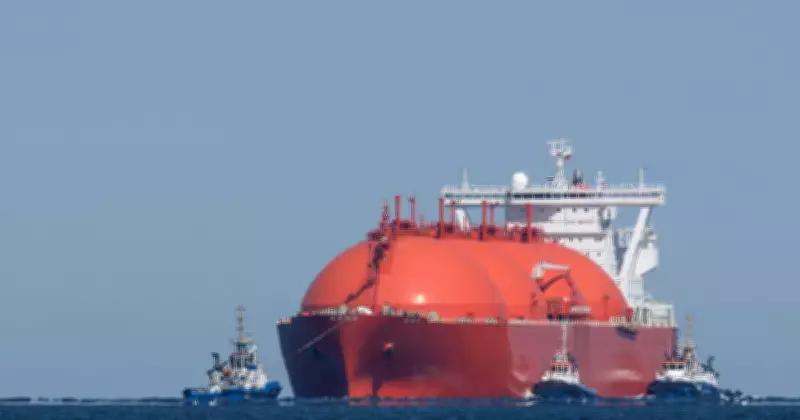
Australia holds significant economic clout on the global stage, blessed with abundant natural resources. The nation commands a dominant share in the world traded coal and iron ore markets, surpassing even OPEC's influence in oil. As one of the top exporters of liquefied natural gas (LNG), competing with Qatar and the US, Australia possesses substantial power to secure its national interests. However, this potential has often been underutilized, with the government failing to capitalize on opportunities like a gas export tax.
Research from The Australia Institute reveals that implementing a 25 per cent tax on gas exports in 2022 could have generated an additional $68 billion in revenue. This comes amid revelations that no LNG exporter has ever paid the Petroleum Resource Rent Tax (PRRT), designed to capture super profits. During the windfall from Russia's invasion of Ukraine, multinational gas companies reaped over $100 billion in profits, while Australians saw little benefit. The current energy crisis, driven by conflicts in the Middle East, presents an opportune moment to rectify this imbalance.
The Path Forward: Seizing the Moment for Tax Reform
The gas industry has attempted to use the ongoing energy crisis to undermine support for the export tax, but advocates counter that now is precisely the time for such a measure. With broad-based backing from various sectors, the Albanese government has a unique chance to implement this tax, which could soften economic blows from global instability. This policy not only promises to bolster government revenue but also reinforces Australia's agency in international relations, reducing reliance on volatile allies.
As the world watches unfolding events, Australia must recognize its power and act decisively. A gas export tax represents a practical step toward enhancing economic security and stability, ensuring that the nation's resources benefit its people in times of crisis.