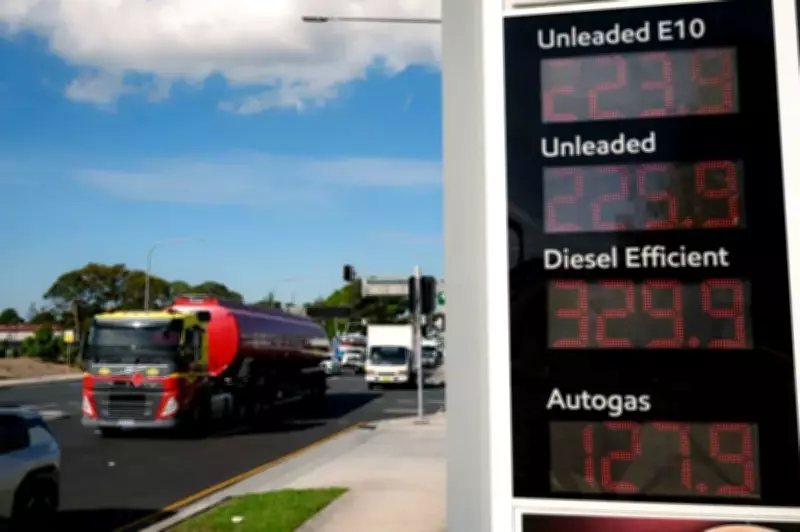
Fuel Prices on Edge as Global Tensions and Supply Issues Loom
Australian motorists are bracing for potential fuel price increases as global tensions and supply chain disruptions threaten to push costs higher. Experts warn that the combination of geopolitical conflicts and logistical challenges could lead to significant volatility in fuel markets over the coming months.
Global Factors Driving Uncertainty
The current situation is influenced by several key factors on the international stage. Escalating conflicts in key oil-producing regions have raised concerns about supply stability, while ongoing trade disputes and sanctions are further complicating the global energy landscape. Additionally, supply chain issues, including shipping delays and refinery outages, are contributing to the uncertainty.
Economic analysts highlight that these external pressures are creating a perfect storm for fuel prices. With Australia heavily reliant on imported fuel, any disruption to global supply chains can have a direct impact on local prices. The situation is being closely monitored by industry stakeholders and government agencies alike.

Impact on Australian Consumers and Businesses
For Australian consumers, the potential rise in fuel prices could translate to higher costs for transportation and goods. Household budgets may feel the pinch, particularly for those who rely on private vehicles for daily commutes. Businesses, especially in the logistics and transportation sectors, are also preparing for increased operational expenses.
Small business owners express concern over the potential ripple effects. Higher fuel costs could lead to increased prices for goods and services, affecting overall consumer spending. The agricultural and manufacturing industries, which depend heavily on fuel for production and distribution, are particularly vulnerable to these changes.
Expert Predictions and Market Responses
Market analysts predict that fuel prices could see fluctuations in the short to medium term. While some experts anticipate a gradual increase, others warn of more abrupt spikes if global tensions escalate further. The Australian Competition and Consumer Commission (ACCC) has indicated that it will keep a close watch on price movements to ensure fair practices.
- Monitoring of global oil prices and supply chains
- Assessment of local refinery capacity and stock levels
- Evaluation of consumer impact and market competition
In response to the uncertainty, some fuel retailers are adjusting their pricing strategies, while consumers are being advised to stay informed and consider fuel-efficient alternatives where possible. The government is also reviewing its energy security policies to mitigate potential risks.
Long-Term Outlook and Solutions
Looking ahead, experts suggest that diversifying energy sources and investing in renewable alternatives could help reduce dependence on volatile fuel markets. Initiatives such as electric vehicle adoption and improved public transport infrastructure are seen as potential long-term solutions.
Sustainable energy policies may play a crucial role in stabilizing costs. By reducing reliance on imported fuel, Australia could better shield itself from global price shocks. However, in the immediate future, motorists and businesses are urged to prepare for possible price increases and explore cost-saving measures.
The coming months will be critical in determining the trajectory of fuel prices. Stakeholders across the economy are calling for proactive measures to address the challenges posed by global uncertainties and ensure a stable energy future for Australia.