Tasmania and Victoria Lead with Free Public Transport Amid Fuel Crisis
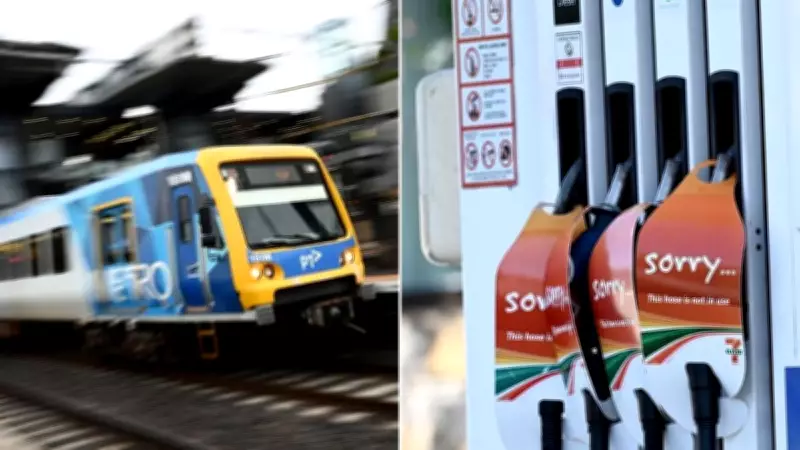
Tasmania has followed Victoria in announcing free public transport as the ongoing fuel crisis intensifies, with growing calls for the rest of Australia to adopt similar measures. This move comes as the Federal Government convenes a National Cabinet meeting on Monday to discuss a nationally consistent response to the economic pressures caused by the war in the Middle East.
State Initiatives and Financial Implications
Tasmanian commuters will benefit from three months of free transport starting Monday, while Victorians will receive one month of free transport from Tuesday. Victorian Premier Jacinta Allan highlighted that the state would incur a loss of $71 million by deactivating the transport ticketing and fare system. "This is a temporary measure to help with the cost of living; it will take pressure off the pump and help you save," Allan stated. She added that while it won't solve every problem, it provides immediate relief, with regular daily users potentially saving up to $220 in April.
Mixed Responses from Other States
However, not all states are ready to forgo revenue. NSW Transport Minister John Graham dismissed the idea of free public transport in Sydney, emphasizing the need to keep resources available for broader economic support. "It's less likely that we're going to have fare-free transport for a couple of days or for the month of April, because this situation will last more than a month," he said. Similarly, South Australian Government spokesperson Blair Boyer noted the state is committed to cost-of-living relief but is evaluating options based on other states' actions.

National Cabinet Meeting and Union Advocacy
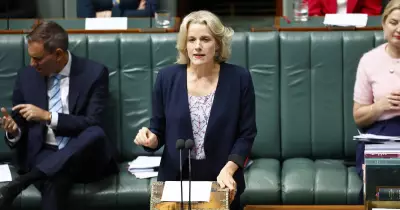
The National Cabinet meeting in Canberra, scheduled for Monday morning, will address various measures, including work-from-home arrangements, car pooling, and free public transport. The Rail, Tram and Bus Union has urged that free public transport for all Australians be a top priority. "Victoria and Tasmania have already made the necessary steps and now it's time to see real leadership and make this happen for every worker, every family and every community across the country," the union stated.
Economic Impact and Global Context
As the war in the Middle East continues, with threats of expansion, Australia is preparing for multiple scenarios. Griffith University Adjunct Professor of Economics George Verikios shared analysis on how an oil price shock could affect global trade and household spending. If the war ends in April, Australian consumer prices might rise by 0.6 per cent, but a prolonged conflict could lead to increases of over five per cent, significantly impacting transport costs and freight. Despite these challenges, Australia's role as an energy exporter may offer some protection against severe economic impacts.