Energy Executive Condemns Labor's Nuclear Strategy as Costly Barrier to Uranium Growth
In a sharp critique of federal policy, a prominent energy industry figure has slammed the Labor Party's nuclear energy campaign, describing it as a $600 billion "nightmare" that is actively impeding the development of the crucial uranium sector in Townsville. The executive argues that this political stance is creating uncertainty and delays for a vital industry poised for expansion.
Nuclear Policy Labeled a Financial and Operational Burden
The energy boss emphasized that Labor's push for nuclear power, with estimated costs reaching $600 billion, is not only financially prohibitive but also strategically misaligned with Australia's energy needs. According to the executive, this campaign is diverting attention and resources away from established industries like uranium mining, which could provide significant economic benefits and energy security.
The criticism centers on the perceived stalling effect that the nuclear debate is having on uranium projects in Townsville, a region with potential for growth in this sector. The executive highlighted that ongoing political uncertainty is discouraging investment and hindering progress on key initiatives that could boost local employment and economic output.

Impact on Townsville's Uranium Industry and Economic Prospects
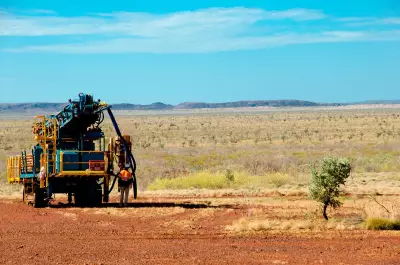
Townsville, located in Queensland, is seen as a hub for uranium development, with existing infrastructure and expertise that could support expanded operations. However, the energy leader contends that Labor's nuclear energy campaign is creating a regulatory and investment climate that is unfavorable for uranium projects. This, in turn, is affecting the region's ability to capitalize on global demand for uranium, used in nuclear power generation worldwide.
The executive pointed out that the $600 billion figure associated with Labor's nuclear plans represents a massive financial commitment that could be better allocated to supporting renewable energy and traditional sectors like uranium. By focusing on nuclear, the policy is seen as neglecting more immediate opportunities in the uranium industry, which could contribute to Australia's energy mix and export revenues.
Broader Implications for Australia's Energy and Economic Policies
This critique raises important questions about the balance between emerging energy technologies and established industries. The energy boss argued that a more pragmatic approach is needed, one that supports uranium development while also exploring sustainable energy options. The stalling of the uranium industry in Townsville is viewed as a symptom of broader policy conflicts that could impact Australia's economic resilience and energy independence.
In response to these concerns, stakeholders in the energy sector are calling for clearer policy direction from the federal government. They advocate for measures that reduce uncertainty and foster growth in industries like uranium, which align with both economic and environmental goals. The debate highlights the ongoing tensions in Australia's energy strategy, as political campaigns influence industrial development and regional economies.
As the discussion continues, the energy executive's remarks underscore the need for a cohesive energy policy that balances innovation with support for vital sectors. The future of Townsville's uranium industry may depend on how these political and economic factors are addressed in the coming months.