Deputy Prime Minister Warns Fuel Rationing Is a Question of 'If Not When' for Australia
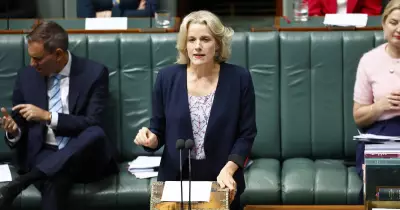
Deputy Prime Minister Richard Marles has issued a stark warning, stating that fuel rationing in Australia is not a matter of if, but when, due to mounting global pressures. In a recent address, he highlighted the nation's vulnerability to supply chain disruptions and geopolitical tensions that could severely impact fuel availability.
Global Supply Chain Pressures Escalate Concerns
Marles pointed to ongoing international conflicts and logistical challenges as key factors driving the potential need for rationing. He emphasized that Australia's reliance on imported fuel makes it particularly susceptible to external shocks, with recent events underscoring the fragility of global energy markets.
The deputy prime minister stressed that proactive measures are essential to mitigate risks. He called for increased investment in domestic fuel reserves and alternative energy sources to bolster national security. This move aims to reduce dependence on volatile international supplies and ensure a more stable energy future.

Geopolitical Risks and Economic Implications
According to Marles, geopolitical instability in key fuel-producing regions poses a significant threat to Australia's energy security. He warned that any major disruption could lead to immediate shortages, forcing the government to implement rationing protocols to manage demand.
The economic impact of such measures could be profound, affecting industries from transportation to agriculture. Marles urged businesses and consumers to prepare for potential scenarios, including reduced fuel access and higher prices. He noted that contingency planning is crucial to minimize disruptions and maintain economic stability.
Government Response and Future Strategies
In response to these warnings, the government is reportedly reviewing its energy policies and emergency preparedness plans. Marles indicated that discussions are underway to enhance fuel storage capacity and explore sustainable alternatives, such as biofuels and electric vehicles.
- Increase domestic fuel reserves to cover at least 90 days of consumption.
- Accelerate the transition to renewable energy sources to reduce fossil fuel reliance.
- Implement public awareness campaigns on fuel conservation and efficiency.
Marles concluded by reiterating that while rationing is not imminent, it remains a realistic possibility if current trends persist. He called for bipartisan cooperation to address these challenges and safeguard Australia's energy independence.