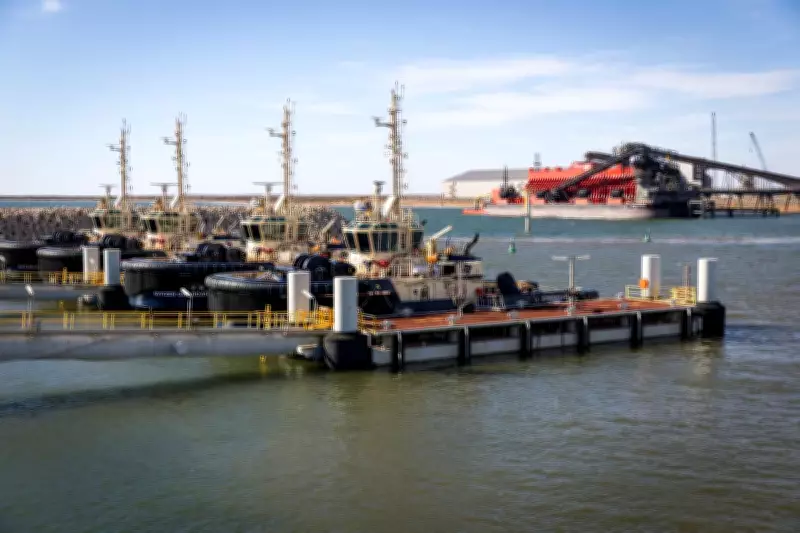
Cyclone Recovery Efforts Continue at Dampier and Ashburton Ports
Repair works are actively progressing at the ports of Dampier and Ashburton, which were significantly impacted by a recent cyclone. The ongoing efforts aim to restore full operational capacity and address the extensive damage sustained by critical infrastructure at these key maritime facilities.
Assessment and Restoration of Port Operations
Authorities and port operators are conducting thorough assessments to evaluate the extent of the damage caused by the cyclone. Initial reports indicate that both ports experienced substantial disruptions, including damage to berthing structures, cargo handling equipment, and navigational aids. The restoration process involves coordinated teams working around the clock to clear debris, repair damaged components, and ensure safety standards are met before resuming normal operations.
Impact on Local and Regional Economy
The cyclone's impact on Dampier and Ashburton ports has had notable effects on the local and regional economy. These ports are vital hubs for the export of resources such as iron ore and liquefied natural gas, and their temporary closure has led to delays in shipments and potential economic losses. Businesses reliant on these ports are closely monitoring the recovery efforts, with some adjusting logistics and supply chains to mitigate disruptions.

Community and Environmental Considerations
In addition to infrastructure repairs, attention is being given to community and environmental aspects. The cyclone may have caused localized flooding and erosion, prompting assessments of environmental damage and cleanup initiatives. Community support measures are also in place to assist affected residents and workers, ensuring that recovery efforts are comprehensive and inclusive.
Future Preparedness and Resilience
As repair works continue, discussions are emerging about enhancing future preparedness and resilience at Dampier and Ashburton ports. This includes potential upgrades to infrastructure to better withstand extreme weather events, as well as improved emergency response plans. Stakeholders are emphasizing the importance of learning from this incident to bolster the long-term sustainability and reliability of these critical maritime assets.