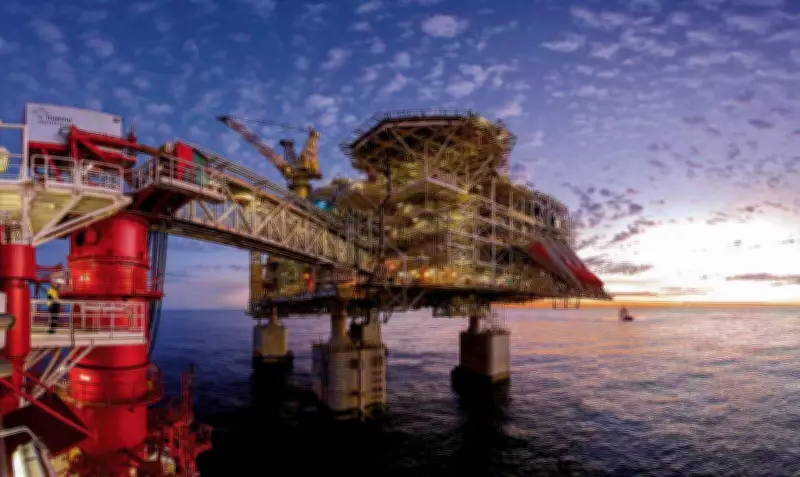
Chevron Partially Restarts LNG Production at Cyclone-Hit Wheatstone Facility
Chevron has initiated a partial restart of liquefied natural gas (LNG) production at its Wheatstone plant, which was severely damaged by Cyclone Narelle in late March. This move provides some financial relief for the company, which had been grappling with the high costs of purchasing gas on the spot market to fulfill its contractual obligations.
Impact of Cyclone Narelle on Operations
The sprawling Wheatstone facility, located near Onslow in Western Australia, had been completely shut down since March 27, when Cyclone Narelle caused significant destruction. The two-week outage posed a major financial challenge for Chevron, not only due to lost production opportunities amid surging global demand but also because of the expense of securing LNG on the volatile spot market to avoid breaching customer contracts.
During the outage, Chevron faced the daunting task of sourcing hundreds of fin fan heat exchangers to replace those destroyed by the cyclone. This effort was complicated by a global scramble for LNG equipment, exacerbated by conflicts such as the Iran war, which has targeted energy infrastructure. Despite these hurdles, the company managed to acquire enough components to restore one of the plant's two processing trains.

Production Resumes at Reduced Capacity
On Wednesday night, Chevron successfully resumed operations, bringing the facility back online at half its normal capacity. In a statement released on Thursday afternoon, the company confirmed that domestic gas supply to Western Australian customers has been fully restored and is operating at maximum capacity. LNG production is gradually increasing as repair work continues, with one production train now running at full rates.
The company emphasized that repairs are ongoing for the second production train, and it will provide regular updates to stakeholders as progress is made. It is understood that during the shutdown, Chevron was forced to buy spot LNG cargoes at prices approximately double what it charges under long-term contracts with Wheatstone customers, highlighting the financial pressure of the outage.
Financial and Operational Implications
The partial restart mitigates some of the cash flow issues Chevron faced, but the company remains under strain until full production is restored. The incident underscores the vulnerabilities of critical energy infrastructure to extreme weather events and the broader geopolitical tensions affecting global energy markets.
- Cyclone Narelle caused extensive damage to heat exchangers, delaying repairs.
- Chevron's spot market purchases were costly, impacting profitability.
- Domestic gas supply has been fully resumed, ensuring local energy security.
As Chevron continues its repair efforts, the focus will be on safely restoring the second train to full operation, which is crucial for meeting both domestic and international LNG demand in a volatile market environment.