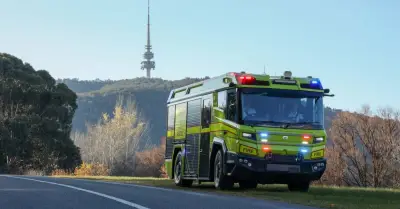
The Australian Capital Territory's (ACT) Fire and Rescue Service has revealed that a new $1.6 million hybrid fire truck is burning through more fuel than initially expected. The vehicle, which was touted as an environmentally friendly alternative to traditional fire engines, has been under scrutiny after data showed its fuel consumption is higher than projected.
Unexpected Fuel Usage
According to reports, the hybrid fire truck, which combines an electric motor with a diesel engine, has been using significantly more diesel than anticipated. The ACT Fire and Rescue Service had hoped the hybrid technology would reduce fuel costs and emissions, but initial figures suggest otherwise. The truck's fuel economy is reportedly lower than that of some conventional fire engines, sparking questions about the effectiveness of the hybrid system in real-world conditions.
Performance vs. Efficiency
The fire truck, built by a European manufacturer, is designed to operate in both electric and diesel modes. However, the demanding nature of emergency response—requiring rapid acceleration, heavy loads, and extended idling—may be compromising its efficiency. Firefighters have noted that the vehicle's weight and the need for constant power for pumps and equipment might be contributing to the higher fuel consumption. The ACT government is now reviewing the truck's performance data to determine if adjustments can be made.

Critics argue that the hybrid technology, while promising for passenger vehicles, may not be suitable for heavy-duty emergency vehicles. The ACT Fire and Rescue Service maintains that the truck still offers environmental benefits, such as reduced emissions during low-speed operations, but acknowledges that the fuel usage is a concern.
Cost Implications
The $1.6 million price tag for the hybrid fire truck was justified by expected long-term savings in fuel and maintenance. However, with fuel costs rising, the higher-than-expected consumption could negate these savings. The ACT government is under pressure to ensure that public funds are spent wisely, especially as the territory faces budget constraints. Some have called for a full audit of the vehicle's performance before any further hybrid fire trucks are purchased.
Despite the setbacks, the ACT Fire and Rescue Service remains committed to exploring sustainable technologies. The service is working with the manufacturer to optimize the truck's performance and is considering modifications to improve fuel efficiency. In the meantime, the hybrid fire truck continues to serve the community, responding to emergencies across the ACT.
The situation highlights the challenges of transitioning emergency services to greener technologies. While hybrids and electric vehicles are becoming more common in everyday use, their application in specialized fields like firefighting requires careful adaptation. The ACT's experience may inform other fire services considering similar investments.