FIFO Worker's Viral Warning: The Dark Side of a $160,000 Dream Job
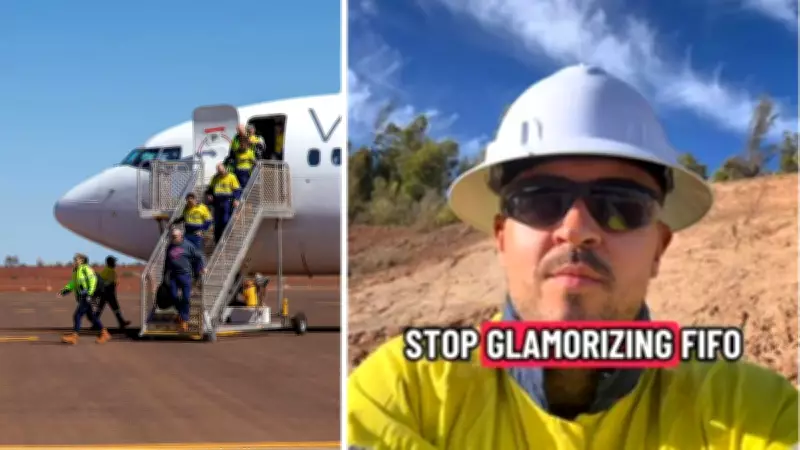
A Western Australian fly-in fly-out (FIFO) worker has sparked a crucial conversation by challenging the increasingly romanticised image of the industry on social media platforms. Jake Shermand, a leading hand scaffolder based in the Pilbara region, earns an impressive $160,000 per year but has taken to TikTok to issue a stark reality check for those considering a similar career path.
From UK to Pilbara: A Search for Better Life
Shermand, aged 31, relocated from the United Kingdom three years ago in pursuit of an improved quality of life. His current role offers a substantial salary and a schedule of eight days on followed by six days off, providing considerable freedom during his downtime. However, the expatriate scaffolder felt compelled to share a more balanced perspective after observing what he describes as widespread glamorisation of FIFO lifestyles online.
"I’m sure everyone’s seen the videos: you make all this amazing money, you’re travelling all around the world, but it’s not always the reality for most people," Shermand explained in a video that has rapidly accumulated nearly 40,000 views. While acknowledging certain benefits exist, he emphasised there are "huge downsides that people do not tell you."

Physical Demands and Environmental Challenges
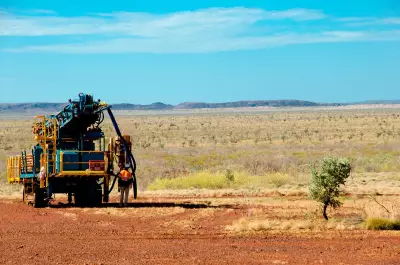
The physical reality of FIFO work often contrasts sharply with polished social media depictions. Shermand detailed working extremely long hours for consecutive weeks in blistering heat, frequently contending with persistent insect nuisances. He urged potential entrants to conduct thorough research and prepare for hard labour rather than being swayed by enticing online content.
"You’re working extremely long hours for long weeks at a time in the blistering heat, covered in flies," he revealed, advising against signing up for physically taxing roles "because you’ve seen a couple videos telling you how amazing it is."
The Invisible Mental Health Burden
Beyond physical hardships, Shermand highlighted the significant psychological toll associated with remote mining work. Extended periods away from family and friends can create feelings of disconnection and alienation.
"(You’re) feeling like a stranger in your own home at times as life continues without you while you’re on site," he confessed to news.com.au. This experience aligns with concerning research indicating remote mining workers experience psychological distress levels three times higher than Australia's general population.
Questioning FIFO 'Gurus' and Online Guides
The scaffolder specifically criticised online entrepreneurs marketing FIFO guides to expatriates, accusing them of "selling the dream without educating on the pitfalls of the industry." These e-books typically promise insider knowledge about certifications and company recommendations.
Shermand asserted, "You do not need to pay these FIFO gurus to get you a job or to teach you how to get a job. It’s a very simple process. If (FIFO is) something you’re interested in doing then do some research, acquire the necessary tickets for your chosen vocation and just get stuck in."
Industry Peers Echo Concerns
Other FIFO workers quickly validated Shermand's candid assessment through supportive comments. One fellow site worker remarked, "Everyone thinks (FIFO is) all glitter but not everything that glitters is gold — what comes after?"
A former FIFO employee added, "So so true, worked FIFO for six years and it’s not a healthy lifestyle, you must have an exit plan." Another commenter offered straightforward advice: "Personal health MUST take priority over financial gain."
A Balanced Perspective on FIFO Life
Despite his warnings about industry challenges, Shermand clarified on his social media channels that he personally enjoys his FIFO career, stating he feels "healthier and happier than ever." His message ultimately advocates for informed decision-making rather than discouragement, encouraging prospective workers to weigh both rewards and risks carefully before committing to this demanding lifestyle.