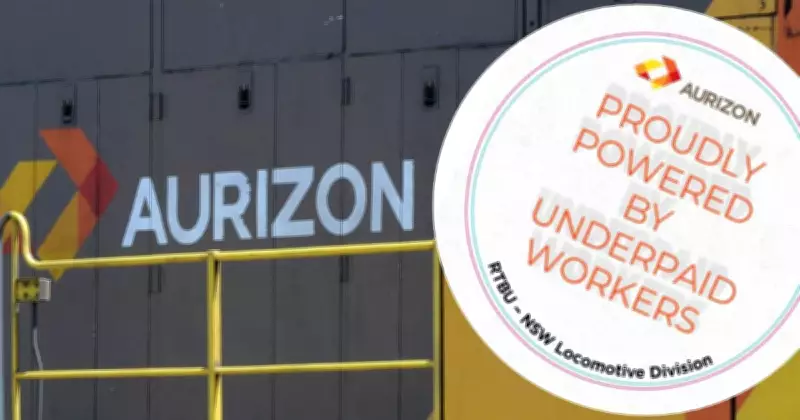
Fair Work Commission Rules Aurizon Broke Law in Worker Consultation Failure
The Fair Work Commission has delivered a damning verdict against Aurizon, one of Australia's largest rail freight operators, finding the company engaged in illegal activity by failing to properly consult with its workforce over major operational changes. This landmark decision highlights a significant breach of industrial relations laws and has ignited fierce criticism from unions, who are demanding immediate action and accountability from the corporate giant.
Details of the Illegal Activity Uncovered
According to the commission's findings, Aurizon violated legal requirements by not engaging in adequate consultation with employees before implementing substantial changes to work practices and operations. The ruling states that the company's actions constituted a clear contravention of the Fair Work Act, which mandates that employers must consult with workers when proposing changes that are likely to have a significant effect on them. This failure to follow due process has left many employees feeling disregarded and vulnerable, with potential impacts on job security and working conditions.
Union Response and Calls for Justice
In response to the commission's decision, union representatives have expressed outrage and called for stringent penalties against Aurizon. They argue that this case is not an isolated incident but part of a broader pattern of behavior where large corporations sideline worker rights in pursuit of operational efficiency and profit. The unions are urging the Fair Work Commission to impose substantial fines and enforce corrective measures to ensure Aurizon complies with legal standards in the future. Additionally, they are advocating for stronger protections for workers across the industry to prevent similar violations from occurring.

Broader Implications for Industrial Relations
This ruling against Aurizon sends a powerful message to businesses nationwide about the importance of adhering to consultation protocols and respecting worker rights. It underscores the critical role of the Fair Work Commission in upholding industrial laws and protecting employees from unfair practices. Experts suggest that this case could set a precedent for future disputes, encouraging more rigorous enforcement of consultation requirements and potentially leading to increased scrutiny of corporate conduct in the rail and transport sectors. The outcome also raises questions about corporate governance and ethical business practices, emphasizing the need for transparency and collaboration between employers and their workforce.
Next Steps and Ongoing Developments
As the Fair Work Commission's decision takes effect, Aurizon is now required to address its failures and implement corrective actions, which may include revising consultation processes and compensating affected workers. The company has indicated that it is reviewing the ruling and will cooperate with authorities, but details on specific measures remain unclear. Meanwhile, stakeholders, including government bodies and industry watchdogs, are closely monitoring the situation to ensure compliance and prevent recurrence. This case is likely to fuel ongoing debates about worker rights and corporate responsibility in Australia's industrial landscape, with potential legislative reforms on the horizon to strengthen protections for employees.