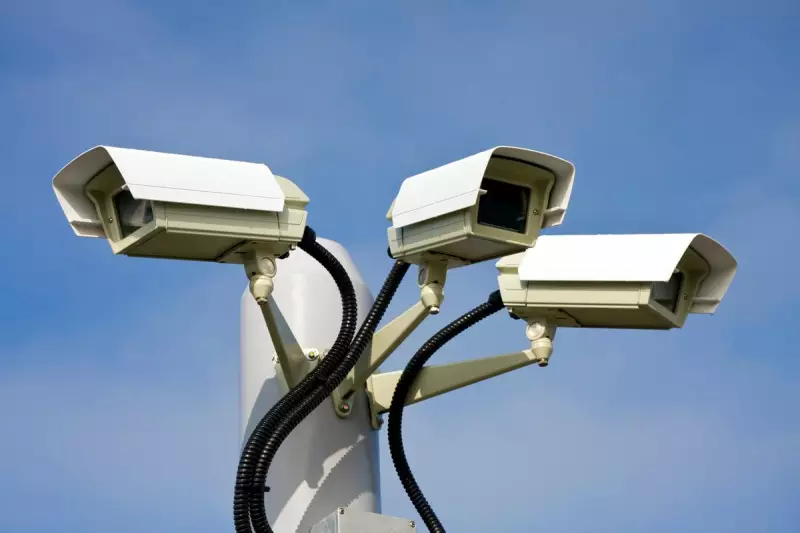
Australians are increasingly altering their natural behaviour and censoring their actions due to the creeping normalisation of constant surveillance, a leading workplace expert has warned.
The Rise of the Surveillance Society
Professor Gary Martin, CEO of the Australian Institute of Management WA, argues that what was once considered science fiction is now our everyday reality. We are being watched, tracked, and analysed in almost every aspect of our lives. This monitoring extends from the digital footprints we leave online to the physical surveillance in our workplaces and public spaces.
The tools of surveillance are diverse and often invisible. Employers use software to track keystrokes, monitor emails, and even take random screenshots of employee computers. Our smartphones and smart devices log our locations, preferences, and habits. Public spaces are dotted with CCTV cameras, and our online activities are meticulously recorded by algorithms designed to predict our next move.

From Observation to Behavioural Change
The core of Martin's argument is that this omnipresent observation is not passive. It actively shapes how we act. Knowing we are being watched, we begin to self-censor. In the workplace, this might mean avoiding personal conversations or refraining from visiting certain websites, even on breaks, for fear of being judged as unproductive.
This phenomenon extends beyond the office. On social media, we carefully curate our personas, presenting a sanitised version of our lives. In public, we might think twice about an innocent gesture, concerned it could be misinterpreted by a watchful lens. We are slowly trading spontaneity and authenticity for a performative, cautious existence.
Martin points out a significant paradox: while many Australians express deep concern about privacy invasions, we simultaneously volunteer vast amounts of personal data for minor conveniences, like using a loyalty app or accessing free Wi-Fi. This creates a confusing landscape where the boundaries of acceptable monitoring are constantly shifting.
The Consequences for Trust and Wellbeing
The long-term implications of this surveillance culture are profound. In workplaces where monitoring is overt and heavy-handed, it can erode trust between staff and management. Employees may feel like suspects rather than valued team members, which can crush morale and innovation.
On a societal level, the constant pressure to behave “correctly” under an invisible gaze can lead to increased anxiety and stress. The freedom to make minor mistakes, to have private moments, or to simply be unobserved is becoming a rare commodity. This loss of privacy, Martin warns, is a loss of a fundamental human need.
While security and productivity are often cited as justifications for surveillance, the debate is about finding a balance. The question for Australian businesses, institutions, and individuals is: at what point does the cost of being constantly watched—measured in lost trust, creativity, and personal freedom—outweigh the purported benefits?
The challenge moving forward is to critically assess the necessity and proportionality of monitoring. Australians must decide what level of surveillance is truly acceptable in a free and open society before the capacity for uninhibited thought and action is diminished for good.