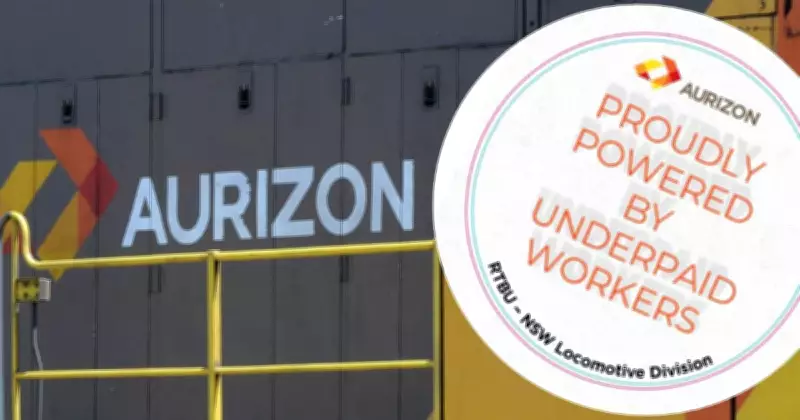
Fair Work Commission Finds Aurizon Engaged in Illegal Activity Against Train Drivers
The Fair Work Commission has delivered a significant ruling, determining that Aurizon, a major rail freight operator, engaged in illegal activity against its train drivers. This decision stems from a dispute where the company was accused of threatening disciplinary measures against employees who participated in protected industrial action.
Details of the Unlawful Conduct
According to the commission's findings, Aurizon contravened the Fair Work Act by issuing threats to train drivers. The company allegedly warned employees that they could face disciplinary consequences, including potential termination, for taking part in lawful industrial activities. This conduct was deemed to undermine the rights of workers to engage in protected action, which is a fundamental aspect of Australia's industrial relations framework.
The case highlights ongoing tensions in the rail industry, where disputes over working conditions and pay have led to frequent industrial actions. Aurizon's actions were seen as an attempt to intimidate drivers and suppress their ability to advocate for better terms through collective bargaining.

Implications for Industrial Relations
This ruling by the Fair Work Commission carries important implications for both employers and employees across various sectors. It reinforces the legal protections afforded to workers under the Fair Work Act, emphasizing that threats or retaliation against those exercising their rights to industrial action are unlawful.
For Aurizon, the finding could result in legal penalties and damage to its reputation, potentially affecting its operations and relationships with stakeholders. The company may be required to undertake corrective measures, such as revising its policies and providing training to ensure compliance with industrial laws.
Train drivers and other workers in similar industries may view this decision as a victory for labor rights, encouraging them to assert their entitlements without fear of reprisal. It also serves as a reminder to all employers about the importance of adhering to fair work practices and respecting the legal boundaries of industrial disputes.
Broader Context and Future Outlook
The case against Aurizon is part of a broader pattern of industrial conflicts in Australia's transport and logistics sectors. As companies navigate economic pressures and workforce demands, such disputes are likely to continue, making compliance with fair work regulations crucial.
Moving forward, the Fair Work Commission's ruling may prompt increased scrutiny of employer conduct during industrial actions, potentially leading to more stringent enforcement of laws. It also underscores the need for ongoing dialogue between employers, employees, and regulatory bodies to foster a fair and productive working environment.
In summary, the commission's finding that Aurizon engaged in illegal activity against train drivers marks a pivotal moment in industrial relations, highlighting the ongoing challenges and legal standards in Australia's workforce landscape.