The World Cup quarter-finals are expected to deliver a half-billion-pound boost to the UK economy, according to a new analysis. The Centre for Economics and Business Research (CEBR) estimates that the four matches will generate an additional £500 million in sales across pubs, supermarkets, and merchandise retailers.
Economic Impact Breakdown
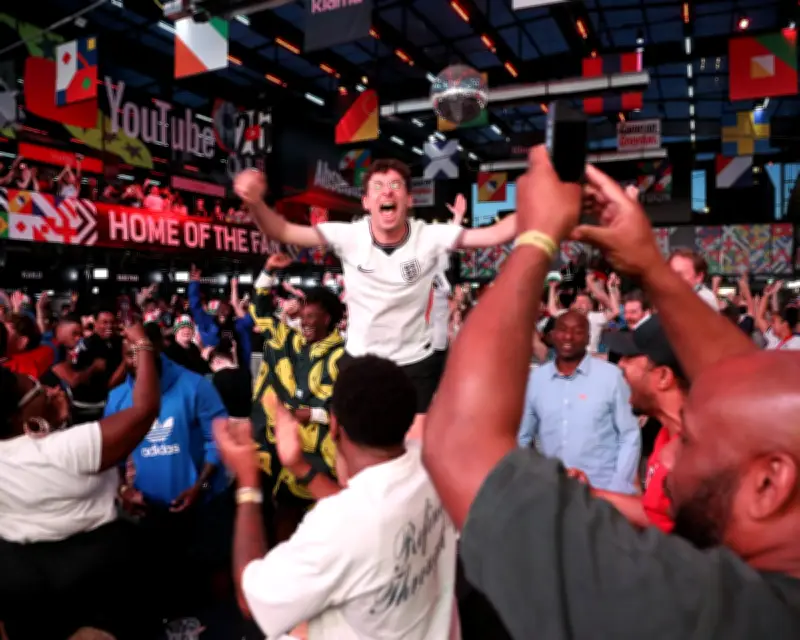
The CEBR report, commissioned by the British Beer and Pub Association, highlights that pub sales alone could rise by £120 million as fans gather to watch the games. Supermarkets are projected to see a £200 million increase in food and drink sales, while official merchandise and electronics such as televisions could add another £180 million. The analysis assumes that England will reach the quarter-finals, which would amplify consumer spending.
Previous Tournament Comparisons
The projected boost is significantly higher than during the 2018 World Cup, when the quarter-finals contributed an estimated £320 million to the UK economy. The increase is attributed to higher inflation and greater consumer confidence in spending on experiences. CEBR economist Kay Neufeld noted, "The World Cup quarter-finals represent a significant economic event, with the potential to lift retail and hospitality sectors during a typically quiet period."

Broader Economic Context
The spending surge comes as the UK economy faces headwinds from rising interest rates and cost-of-living pressures. However, the World Cup effect is seen as a temporary boost that could provide a lift to consumer sentiment. The British Beer and Pub Association welcomed the forecast, with chief executive Emma McClarkin saying, "Pubs are at the heart of communities during major tournaments, and this spending is a welcome relief for an industry that has faced significant challenges."
Regional Variations
The economic impact is expected to be concentrated in areas with strong football traditions and large pub cultures, such as London, Manchester, and Liverpool. However, the CEBR cautions that the actual boost depends on England's performance and the timing of matches. If England fails to progress, the sales increase could be halved to around £250 million.