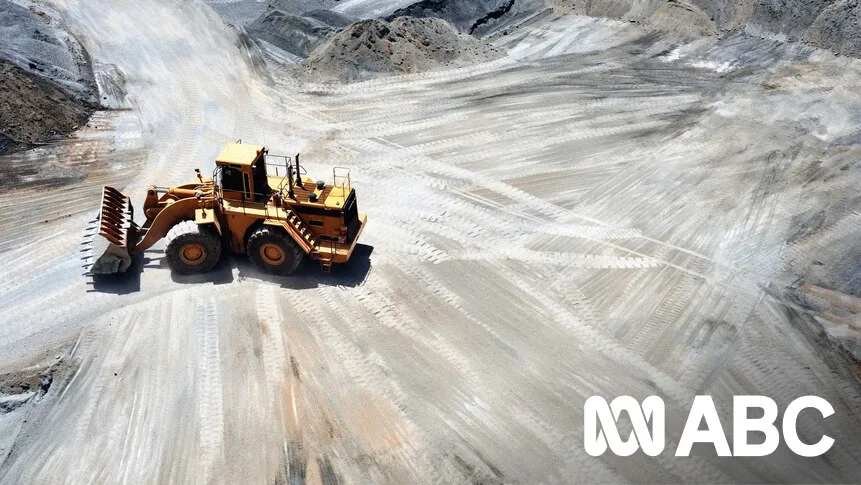
Australia squandered hundreds of billions of dollars in windfall revenue from its mining boom, missing an opportunity to create a sovereign wealth fund similar to Norway's, according to a recent analysis. The country's lack of planning and foresight during the resources boom, which began in the 2000s, stands in stark contrast to Norway's measured long-term strategy for its North Sea oil wealth.
The analysis notes that Australian governments treated the mining boom's revenue as permanent, spending more than 90% of a $334 billion windfall in the last three years of the Howard government on tax cuts and middle-class welfare. Treasury documents from 2007, released under freedom of information, advised the treasurer that the rise in national income from the boom could be considered permanent, providing a strong case for spending.
Labor's 2010 attempt to introduce a super-profits tax on mining was defeated after a $22 million advertising campaign by mining companies, which convinced the public that the nation's prosperity depended on a lightly taxed mining sector. The effective tax rate on resources in Australia is around 30%, less than half Norway's rate.

The analysis argues that Australia should revisit the super-profits tax to ensure future generations benefit from finite mineral resources. It highlights that Norway's sovereign wealth fund, built from oil revenues, now provides a buffer for its economy, while Australia faces rising net debt of $325 billion and owes the world over $1 trillion.